Baby Walker Helmet Review: Will It Stay On and Replace Mats?
30-second verdict
Can a baby walker helmet stay on and replace mats? Explore parent discussions, strap safety, fit questions and what this soft.
Buying Guide Notes · First published:
Compiled from public sourcesWritten using published specs and user feedback.

Sources and verification status
Verification status: compiled from public sources; not hands-on tested
Data updated:
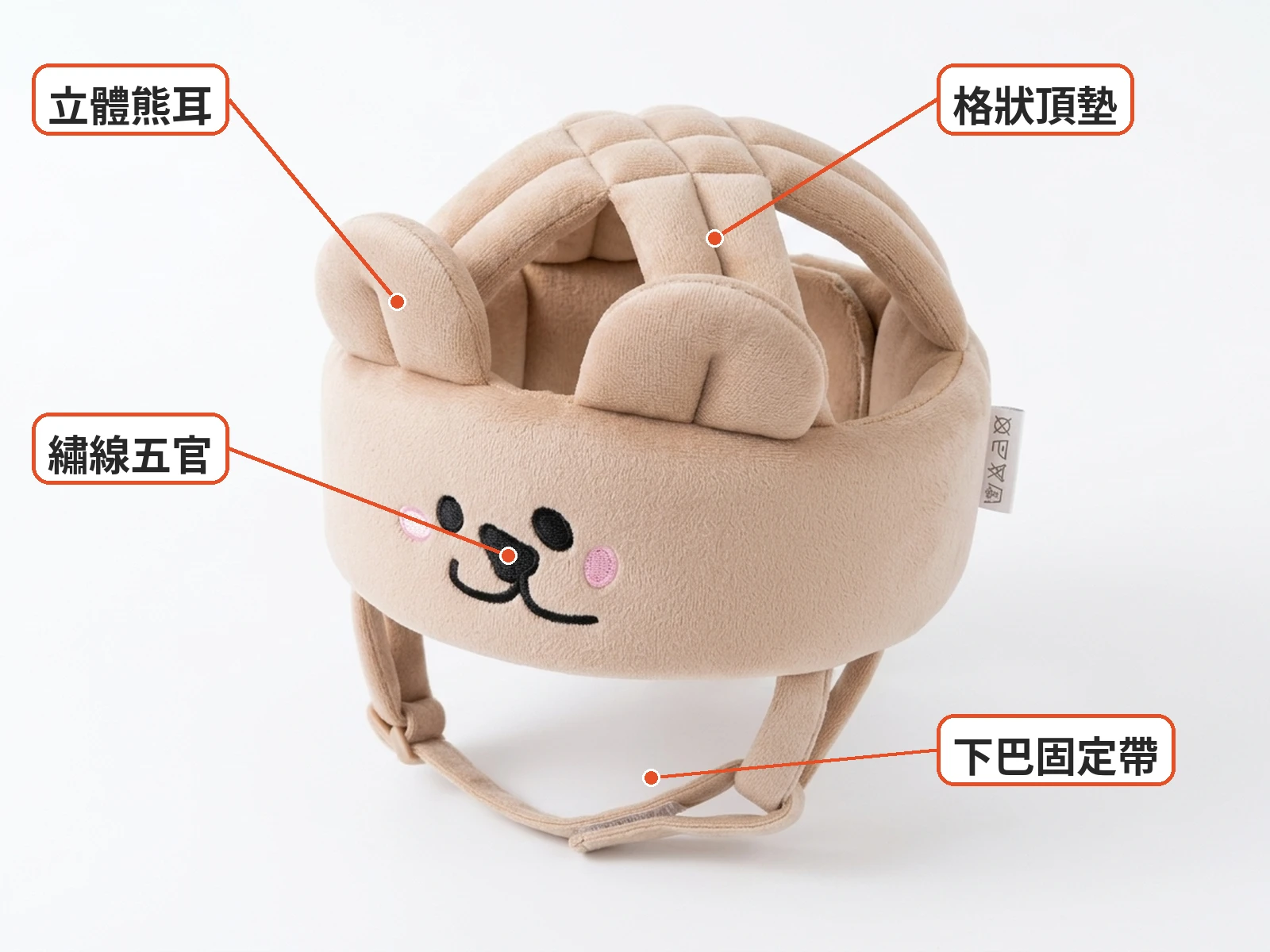
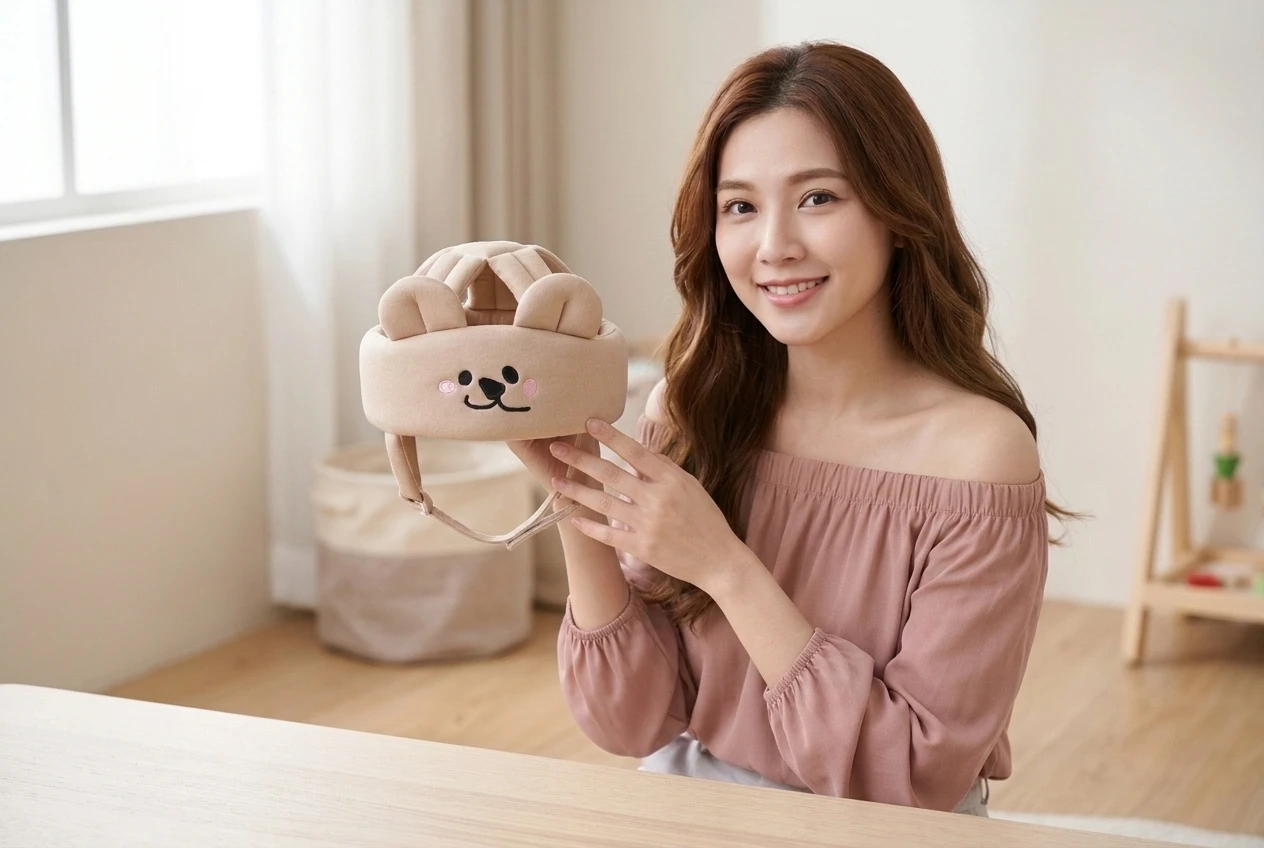
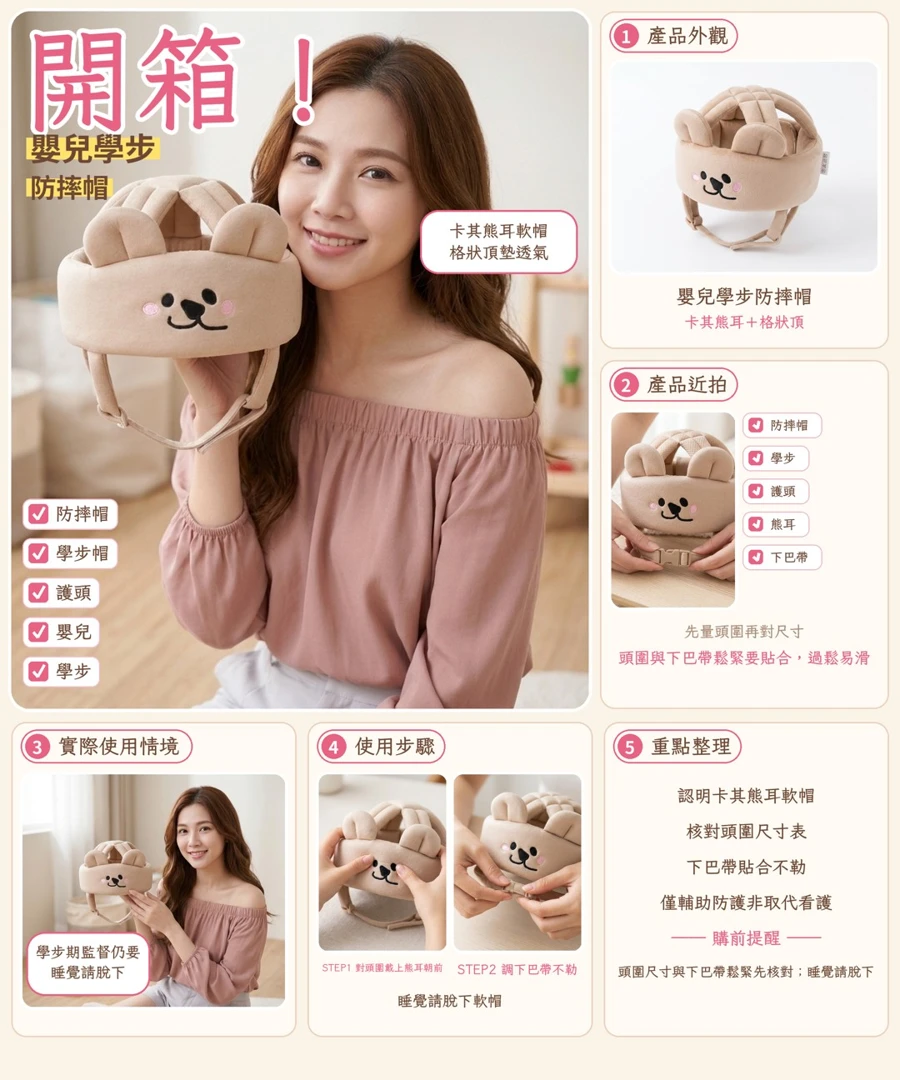
When a baby starts pulling up on furniture or taking unsteady steps, hard floors and table corners can suddenly feel more concerning. This soft baby walker helmet has a thick forehead band, a grid-like padded crown and a chin strap. Common designs include a tan bear, white bunny and grey koala. Beyond the animal styling, the important questions are whether a child will accept it and what protection is already in place at home.
The ears and embroidered face are decorative; the band and crown pads are intended to provide cushioning. This is a soft indoor headguard, not a hard-shell riding helmet. Head sizes and children’s preferences differ, so a photograph alone cannot establish whether it will fit your child.
Which families might find it useful?
Families may consider a soft headguard for short indoor periods while a child is crawling, pulling up or learning to walk. It is an extra layer for light bumps, not a reason to leave hard floors or sharp furniture corners unaddressed. Mats and corner protection remain important.
Wearability is just as important as the design. In PTT discussions, some parents say their children pull headguards off, while others describe less frightening light bumps when a child was wearing one. Those experiences vary and do not guarantee the same result for another family.
When it arrives, check the seams, decorations and strap, and note any strong odor. Try it for only a few minutes at first and look for discomfort or pressure marks around the forehead and ears. Remove it if a rash appears or the child continues to resist. A child should not wear it while sleeping or alone, and an adult should keep watching the strap.
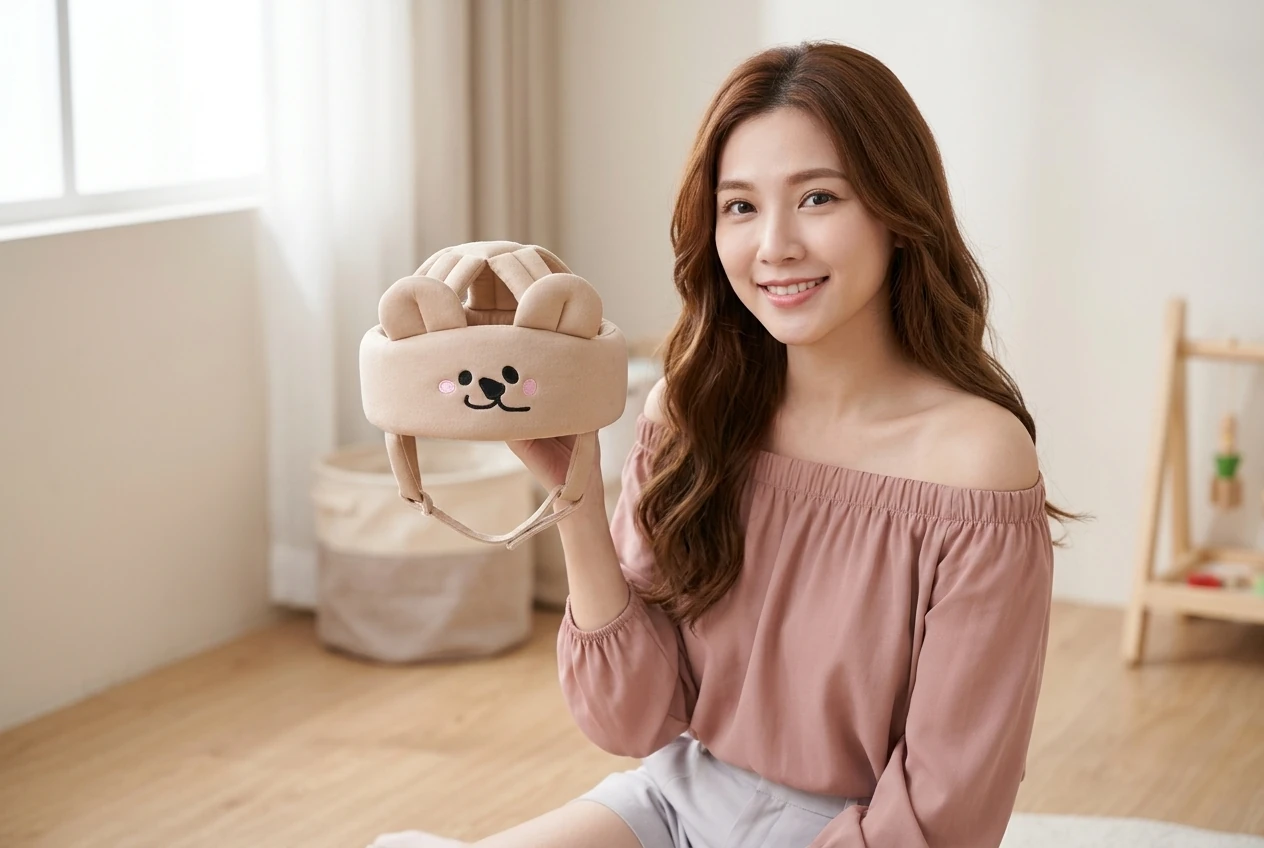
Can a bump cap replace mats and supervision?
The padding is intended to add cushioning against light indoor bumps; it does not cover every part of the head. Public information does not give a foam density, impact rating or complete head-circumference chart, so its impact protection and fit across head sizes cannot be established. The listing shows more than 2,000 sold, but a sales count is not a safety test.
Mats and corner guards address the surrounding space. The hat can only add cushioning where there is padding, when it stays in a suitable position. Check furniture and the child’s usual routes, and stay close, especially while a newly standing child is still unsteady.
The chin strap helps hold the hat in place but also introduces a potential strangulation hazard. Public details do not say whether it has a breakaway or anti-strangulation feature; ask the seller before buying. It should not be tight, nor so loose that the hat slips. If a comfortable, stable fit is not possible, do not insist on continued wear.
The listing does not specify washing or drying instructions. Ask the seller or check the care label when it arrives before choosing a cleaning method. Stop using the hat if an ear or other decoration comes loose, and address the loose piece so the child cannot reach it.
If a child repeatedly pulls the hat off, there is no need to force long wear. Families can focus instead on mats, furniture protection and a safer activity area, or use a playpen to separate risky routes. A headguard is optional; supervision is still needed without it.
Walking shoes or non-slip socks address contact between feet and floor, not head protection. A soft hat also does not prevent every fall, so it is worth checking the surface and nearby furniture regardless of what a child wears.
Do not use this soft headguard as a balance-bike or motorcycle helmet. Seek prompt medical care if a child vomits or has a change in consciousness after a head impact. Wearing a hat at the time does not establish whether an injury occurred.
If older siblings play nearby, consider separating their running routes from the learning-to-walk area. Put the hat away after use so a child cannot play with the strap alone. Families can also discuss the arrangement with other caregivers or daycare staff, since activity spaces and supervision differ.
Some families may already own a protective backpack pillow. Consider whether the child is comfortable with any wearable item rather than adding layers by default. Remove an item if the child becomes hot or uncomfortable; neither option replaces a safer environment and attentive care.
What users say
PTT BabyMother’s discussion of baby helmets asks whether an eight-month-old needs a soft helmet while awake. Some parents describe helpful cushioning during bumps; others emphasize floor mats and removing hazardous furniture. Participants also raise concerns about strap-related strangulation and discuss backpack pillows for the back of the head.
In a Disp mirror of another headguard discussion, the original poster summarized roughly nine in ten replies as finding slip-on styles unhelpful or hard to keep on, and about one in ten as finding them useful. The thread also notes that these are not balance-bike helmets. That tally is the poster’s summary, not a formal survey, and both discussions concern the product category rather than tests of this particular model.
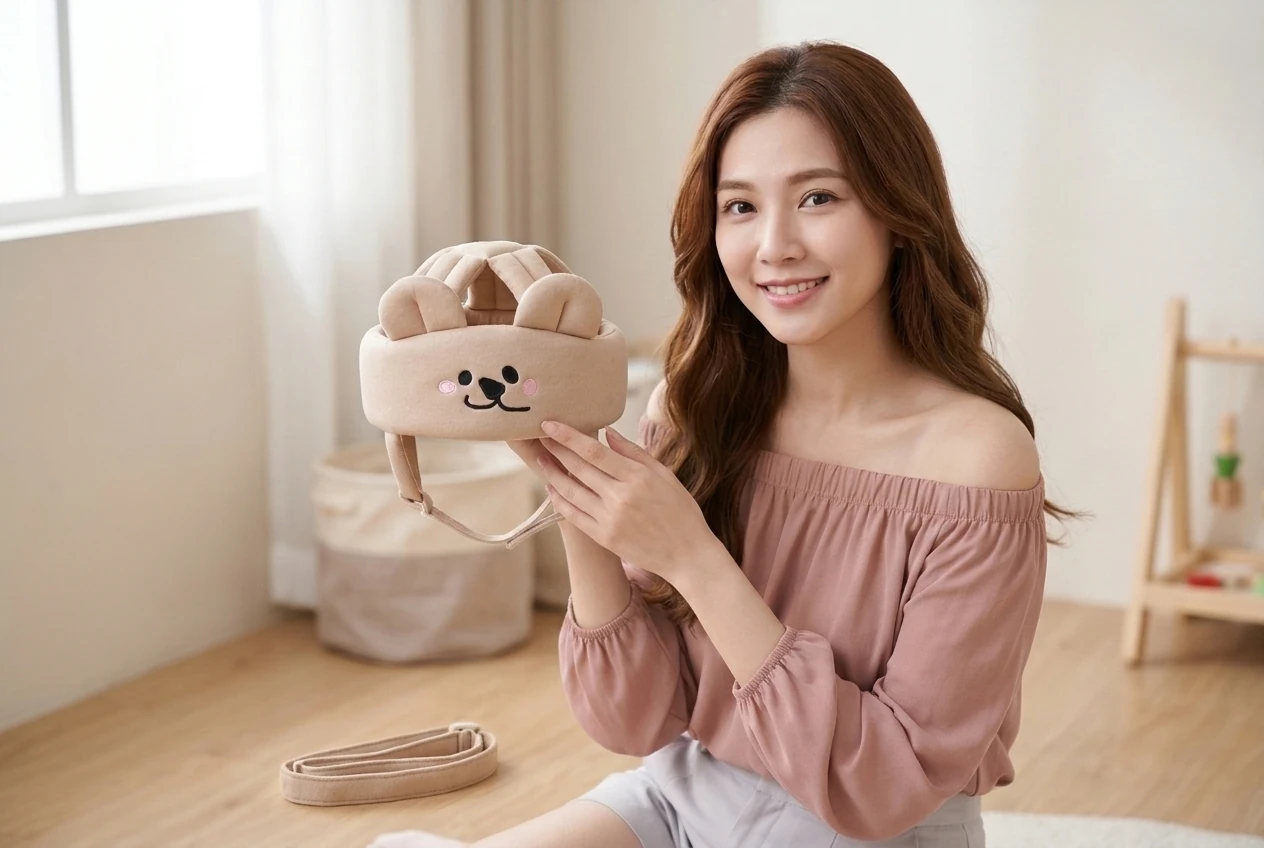
Similar alternatives
- Thick mats and corner guards: Protect the surrounding space without relying on a child accepting a hat, though supervision remains necessary.
- Protective backpack pillow: Some parents report help with rear-head bumps, but fit and willingness to wear it vary.
- Playpen or play yard: Can separate a child from hazardous areas; the space inside still needs attention.
Check the selected design before ordering, and consider comfort, strap fit and the protection already in place at home alongside its appearance.
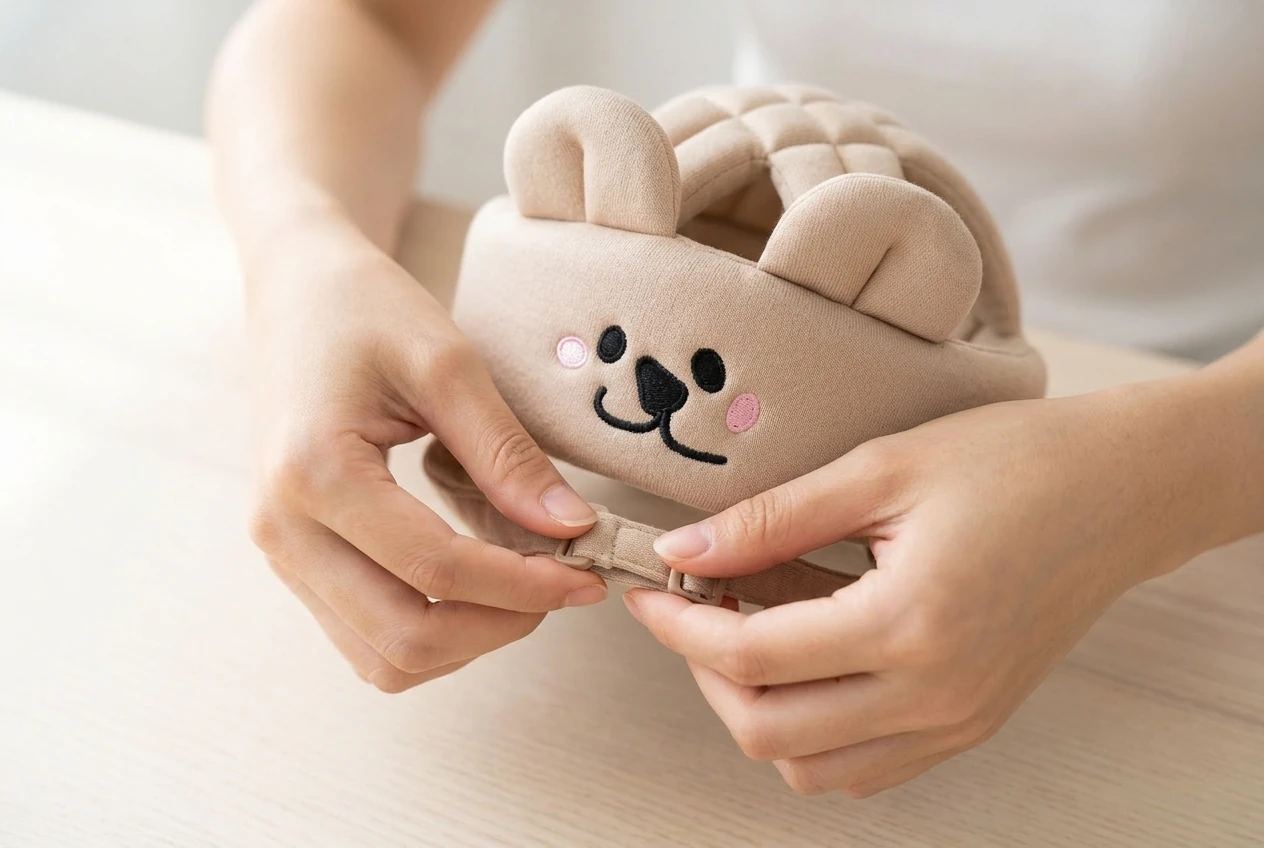
Before You Buy Checklist
- Confirm the selected design and check that the padding, ears and chin strap are intact.
- Ask for the head-circumference chart and suitable age range. If sizing information is missing on arrival, measure the hat and your child’s head; do not force a fit that is too tight or loose.
- Ask about foam density, impact rating and whether the strap has a breakaway or anti-strangulation feature.
- Check washing and drying instructions, the shipping location and return terms.
- Plan for short, supervised indoor sessions; remove the hat for sleep and whenever the child is alone.
- Use proper riding protection for balance bikes or motorcycles, and arrange mats and furniture protection separately.
Specs
| Item | Detail |
|---|---|
| Product | Baby anti-fall walker helmet, soft headguard |
| Look | Thick forehead band, grid-like crown pad, 3D ears, embroidered face and chin strap; common tan bear, white bunny and grey koala designs |
| Common use | Short indoor crawling or walking sessions for extra cushioning against light bumps |
| Sales count | More than 2,000 sold |
| Information not publicly specified | Foam density, impact rating, head-circumference chart, washing and drying, exact age range, and strap breakaway or anti-strangulation details |
Pros
- Animal styling and soft padding may appeal to families looking for an extra layer of cushioning.
- The design includes a chin strap and crown padding, although fit needs checking.
- Some parents discussing similar products report less frightening light bumps while their children wore them.
Cons
- Forum participants report that some children pull headguards off; acceptance varies.
- It cannot replace mats, corner protection or adult supervision.
- It is not a riding or motorcycle helmet; the strap poses a potential strangulation risk and its breakaway details are unknown.
- Impact rating, sizing and exact age guidance are not publicly specified.
Where to Buy
FAQ
What if my baby keeps pulling the helmet off?
Try shorter sessions and check for pressure marks or discomfort. If your child continues to resist, do not force it; focus on mats, furniture protection and supervision.
Can this headguard be used for a balance bike?
No. It is a soft headguard intended for light indoor bumps, not a riding or motorcycle helmet. Use an appropriate child’s riding helmet instead.
At what age can a baby wear it?
The exact age range and a complete head-circumference chart are not publicly specified. Ask the seller and check the labeling and fit on arrival; do not leave it on all day.
Are floor mats still needed with a headguard?
Yes. A soft headguard does not replace mats, furniture protection or adult supervision. A child may also refuse to wear it, and the padding does not cover every area.
You might also like
Baby & Maternity
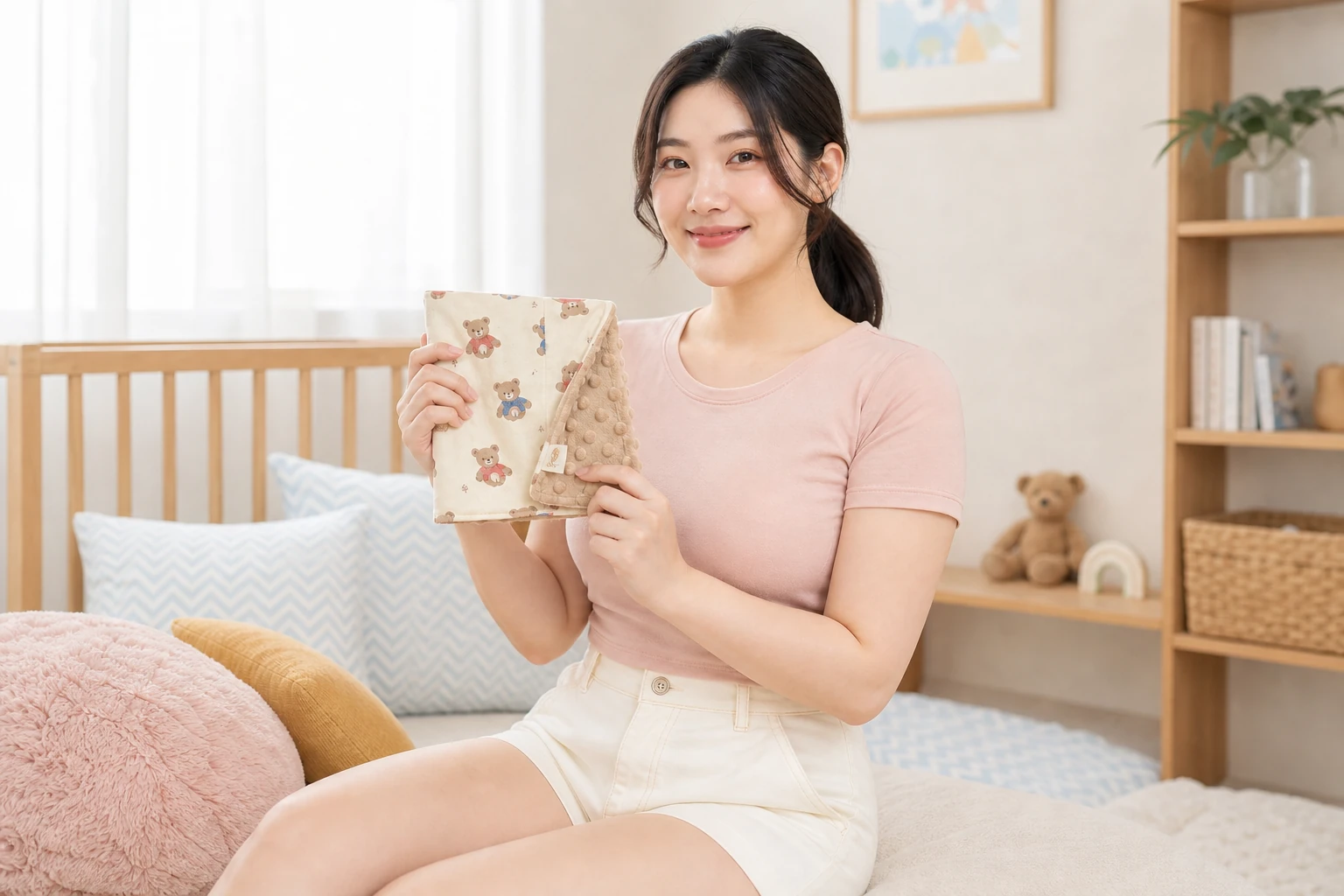
Product analysisKOREMON Dotty Comfort Blanket Review: Will Your Baby Actually Take to It?
A Taiwan cotton-and-dotty comfort square for sleep cues—not a mealtime bib.
NT$79

Baby & Maternity
Product analysisecoomi Baby Hair Clipper Review: Does Suction Mean No Wash?
Baby cries at the barbershop? With the ecoomi clipper, pick the suction or standard model first, then trim at home.
NT$799
Baby & Maternity
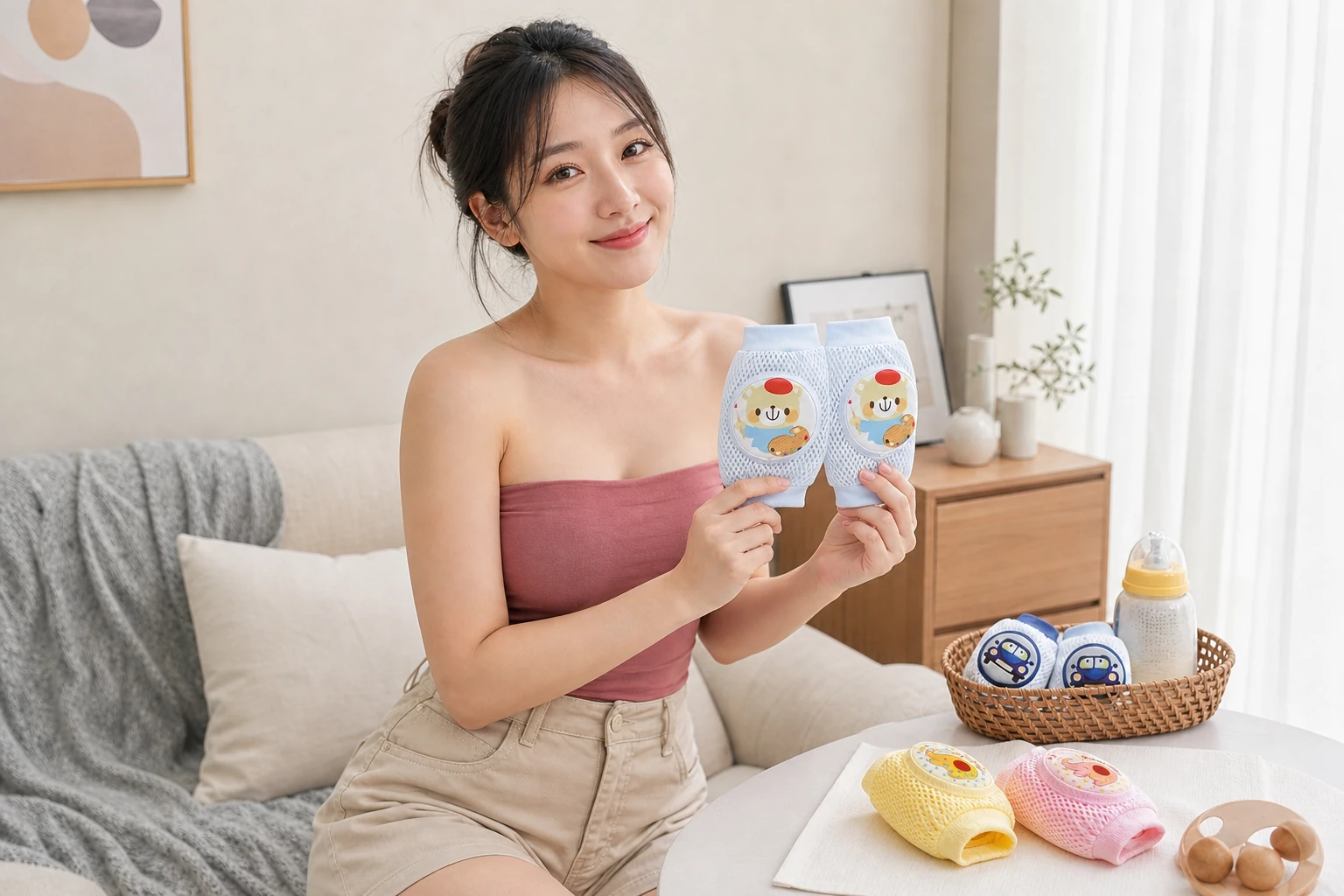
Product analysisBaby Mesh Crawling Knee Pads Review: Can They Prevent Scrapes?
Baby's knees turn red on tile? These mesh crawling pads promise breathability and a cushioned cartoon patch—check the slip and cuff-mark talk before you buy.
NT$45

Baby & Maternity
Product analysisOBL Stroller Mosquito Net Review: Will Full Cover Make Your Baby Too Hot?
Summer bugs around the stroller make a full mesh net tempting, yet stuffiness and single-vs-double sizing stall checkout.
NT$39