Dr. Brown's Flexees Bunny Teether Review: Will Babies Chew It?
30-second verdict
Dr. Brown's Flexees Blue Bunny suits families wanting soft silicone textures from a known brand—supervise, wash, and rotate if the shape is ignored.
Good for
- Caregivers of roughly 3m+ babies exploring chew toys
- Parents who want soft silicone under a familiar brand
- Families rotating textures rather than betting on one shape
Not for
- Newborns without a reliable grasp
- Anyone treating a teether as medical pain therapy
- Caregivers unwilling to inspect cracks and wash daily
Buying Guide Notes · First published:
Compiled from public sourcesWritten using published specs and user feedback.

Sources and verification status
Verification status: compiled from public sources; not hands-on tested
Data updated:
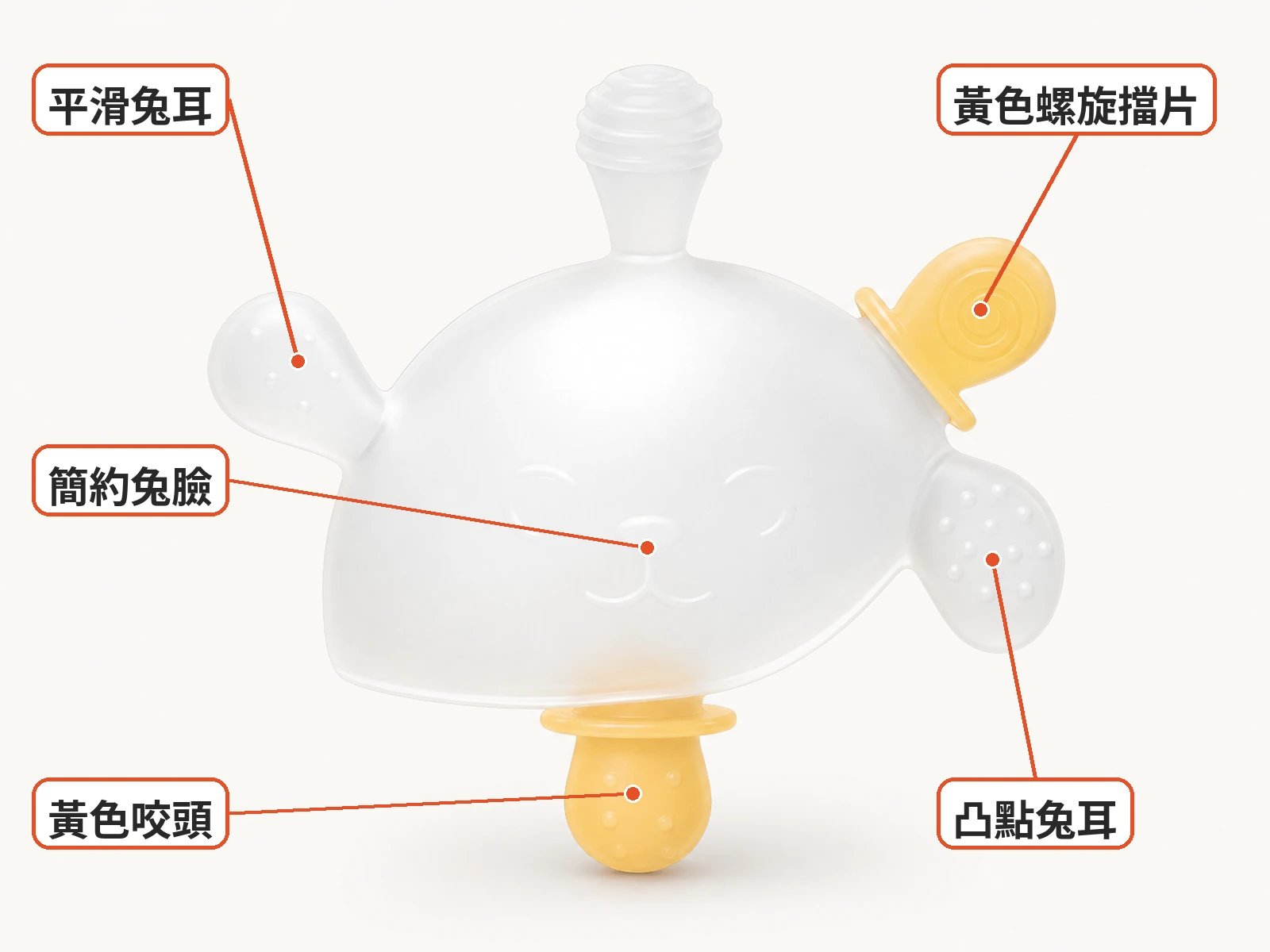
Dr. Brown's Flexees Blue Bunny is a soft silicone teether with textured ears and a body designed for little hands to grip. The US listing describes it as 100% silicone and BPA-free, with guidance for babies around three months and older.
It offers a surface for chewing rather than the sucking comfort of a pacifier. It is not a promise that a baby will stop chewing on their hands or that teething discomfort will disappear.
Who might like the Flexees bunny?
The bunny may suit a baby who can grasp a toy and is interested in exploring different textures. Age guidance is useful, but caregivers should also watch how comfortably their baby holds and responds to the teether.
A newborn who cannot yet grasp a toy may not be ready for it. Babies also have individual preferences: a shape that appeals to one child might be ignored by another.

Practical considerations: grip, cleaning and chewing
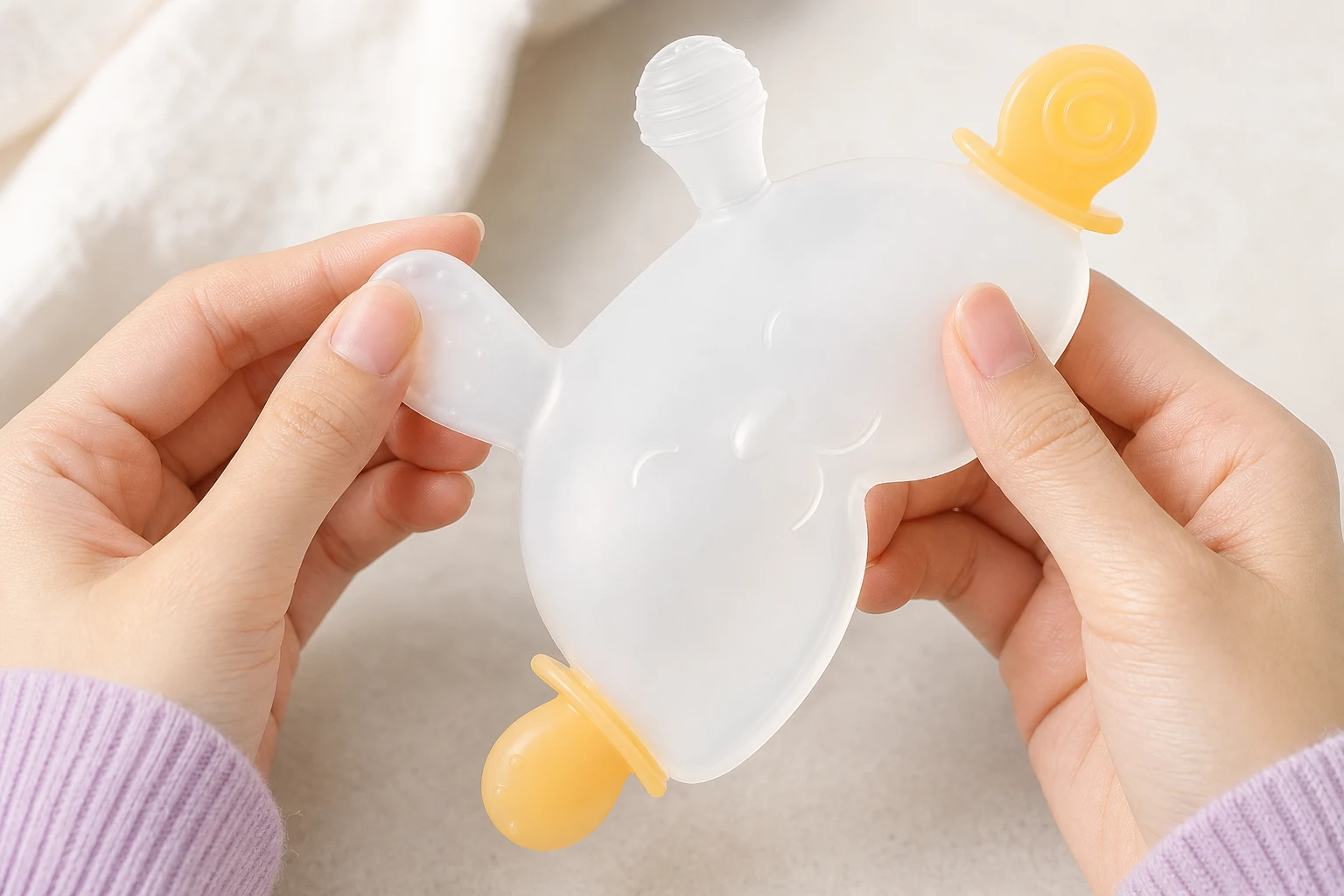
The textured ears give babies places to explore with their mouths, while the body provides an area to hold. Some parent comments in the supplied product material describe bunny shapes as bulky for younger grabbers, so grip is worth watching rather than assuming it will suit every hand.
Wash the teether before use and inspect it regularly for cracks, sticky areas or other damage. Stop using it if it becomes damaged or moldy. Follow the product's care instructions for cleaning and sterilization rather than assuming every teether can tolerate the same treatment.
Offer the teether under supervision. Brief chilling is an option only if the product instructions allow it; do not freeze it into a hard object. Keep the teether clean after a drop and let it dry before putting it away.
The bunny is one possible comfort tool, not a medical treatment. If a baby is in severe distress, consider other causes and consult a clinician rather than relying on a teether alone. Do not leave a baby unattended with a teether in a crib.
What users say
The supplied product information records an Amazon rating of about 4.8 stars from approximately 1,665 reviews at the time recorded. Parent notes describe soft silicone and easy washing, while some mention that bunny shapes can feel bulky for younger babies. These comments do not predict whether an individual baby will accept the toy.
Similar alternatives
- One-piece silicone mushroom or flower teethers offer different shapes and textures.
- Chillable solid rings provide another option when their care instructions permit refrigeration.
- Age-appropriate teething biscuits are edible, but require attention to ingredients, crumbs and supervised eating.
Before you buy checklist
- Consider whether your baby can grasp a toy and shows interest in chewing.
- Check the teether for damage and read its cleaning instructions before use.
- Confirm whether the instructions permit chilling or a particular sterilization method.
- Plan to supervise use and clean the teether after it falls.
- Review the seller's return conditions and product details.
Specs
| Item | Detail |
|---|---|
| Product | Dr. Brown's Flexees Teether Blue Bunny Soft 100% Silicone |
| Look | Blue bunny-shaped soft silicone teether with textured ears and grippable body; 100% silicone, described as BPA-free |
| Common use | Offer supervised for teething infants about 3m+; wash before use; chill briefly only if label allows |
| Sold / ratings | Amazon about 4.8★ from ~1,665 reviews at the recorded time |
| Open gaps | Batch-level certification paperwork, hardness variance by color, clip-length chart, sterilizer cycle lifespan data |
Pros
- Soft silicone ears offer textured chewing surfaces.
- The body is designed for babies to grip.
- The silicone surface can be washed and inspected for damage.
Cons
- Some parent notes describe bunny shapes as bulky for younger grabbers.
- Acceptance varies; another shape may appeal more.
- It is not a medical treatment for severe distress.
Where to buy
FAQ
What age is the Flexees Bunny for?
The supplied product guidance mentions about three months and older. Also consider whether your baby can grasp the toy and is interested in chewing.
Can I boil the Flexees Bunny?
Check the product's care instructions for permitted sterilization methods. Do not assume that every teether tolerates the same high-temperature treatment.
Does every baby like the Flexees Bunny's shape?
No. Acceptance varies, and some parent notes describe bunny shapes as bulky for younger babies. Watch how your baby grips and responds to it.
How is a teether different from a pacifier?
A teether provides a surface for chewing, while a pacifier is intended for sucking comfort. They serve different purposes.
You might also like

Baby & Maternity
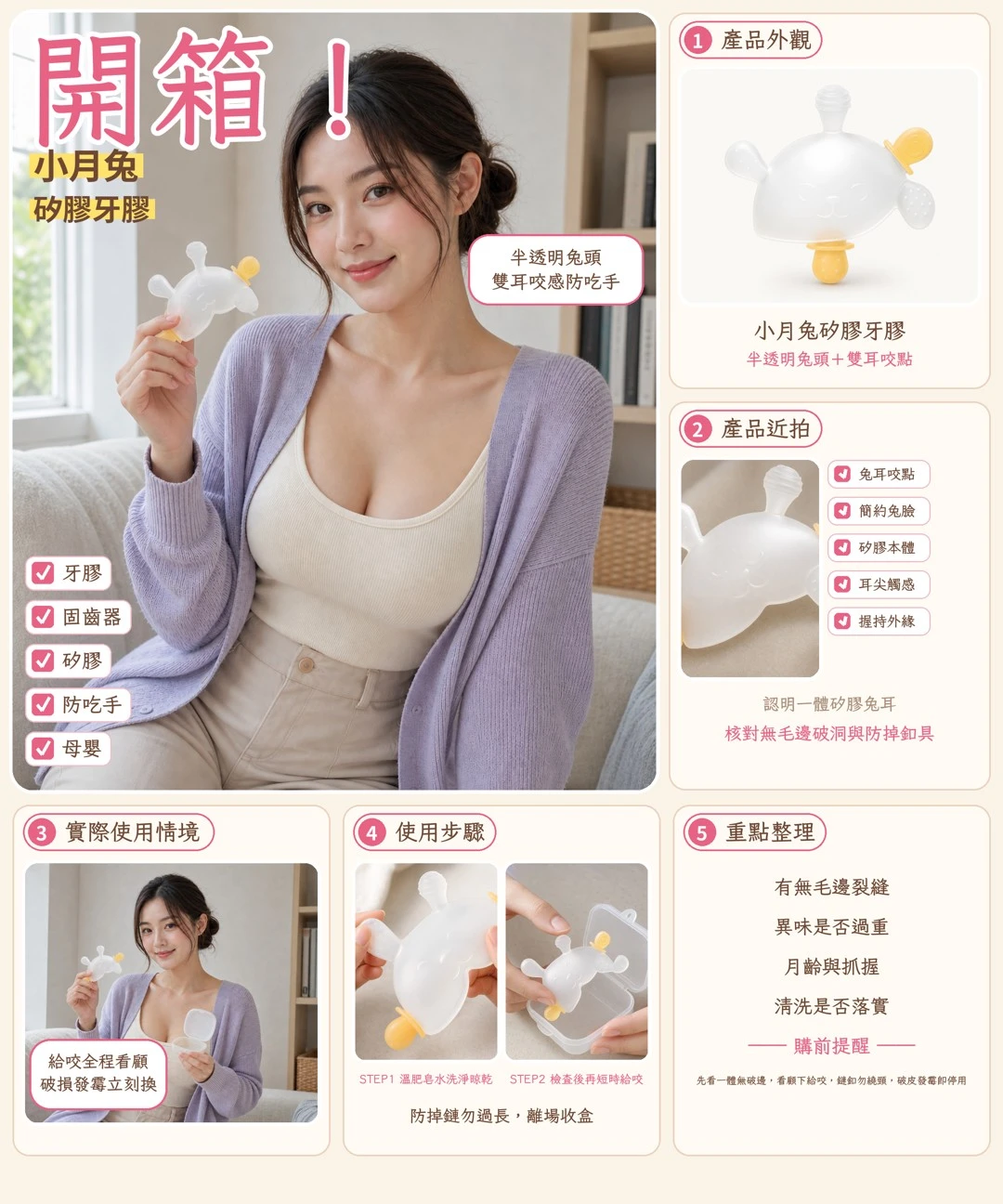
Product analysisRABIPIT Silicone Teether Review: Easy to Hold, Will Baby Chew?
The Rabipit RABIPIT silicone teether focuses on an easy-grip shape, soft chewable silicone, and multiple color options for parents comparing teething comfort toys.
NT$105
Baby & Maternity
Product analysisKOREMON Dotty Comfort Blanket Review: Will Babies Like the Bumps?
A Taiwan cotton-and-dotty comfort square for sleep cues—not a mealtime bib.
NT$79
Baby & Maternity
Product analysisPampers Fresh Pants Review for Active Babies: Cuffs and Leaks
Once babies can crawl and stand, diaper changes can feel like catching a slippery seal; Pampers Fresh Pants are thin, breathable pull-ups that slide on while baby is standing.
NT$329