Yellow Plastic Camp Stake Review: Steady Enough for Soft Grass?
30-second verdict
Bright yellow plastic hook stakes are lightweight spares for grass. Bring steel pegs for hard ground and sandbags for windy beaches.
Good for
- Picnic or ultralight campers who need spare pegs without much weight
- Shoppers who want high-vis yellow pegs
- Users willing to switch peg types by soil
Not for
- Campers using only these on rocky hard ground
- Beach trips packing only plastic pegs in high wind
- Users who smash pegs with full hammer force
Buying Guide Notes · First published:
Compiled from public sourcesWritten using published specs and user feedback.

Sources and verification status
Verification status: compiled from public sources; not hands-on tested
Data updated:
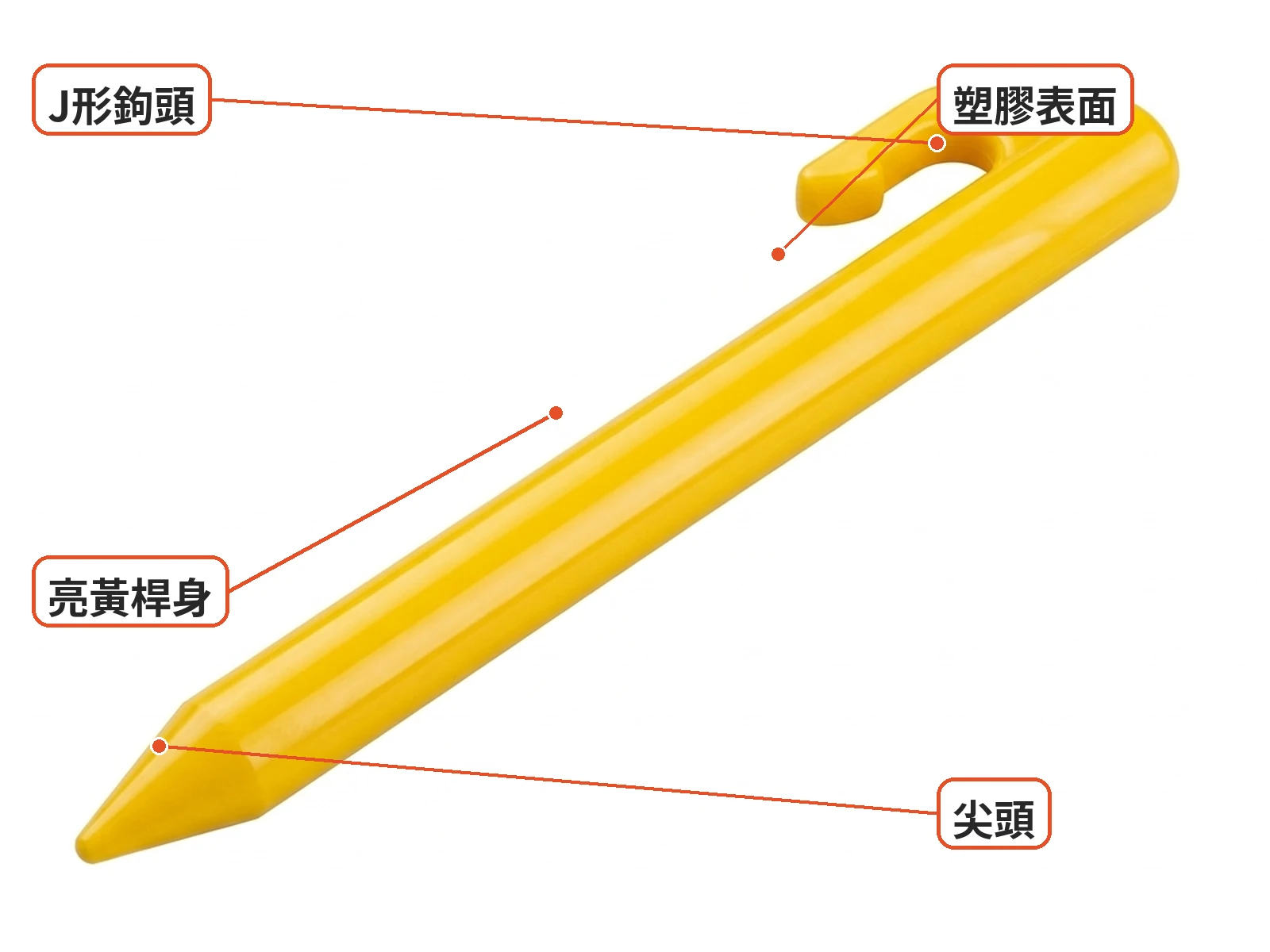
A few spare pegs can be useful when setting up a picnic tent or securing the corners of a groundsheet. These yellow plastic camping stakes have bright round shafts, pointed tips, and molded J-hook tops. Their lightweight design makes them an option to consider alongside a camping kit, though the right peg still depends on the ground and weather.
Yellow is easier to spot against grass, and the hook gives a guy line a place to sit. Visibility alone does not tell you how securely a peg will hold, however. Soil, wind, and the length of the stake all matter, especially when comparing a lawn with loose beach sand.
Which trips fit plastic hook pegs?
These pegs are better suited to light-duty use on grass or soft soil, such as securing groundsheet corners or supplementing guy-line anchors. The pointed tip helps with insertion, while the hook helps keep a line from slipping off the top. No wind-load or impact rating is publicly specified, so their holding strength cannot be quantified from the available information.
They may appeal to picnic-goers and campers who already have main pegs and want light, visible spares. For rocky campsites or windy beaches, bring other anchoring equipment rather than relying on these alone.
Hard soil and stones can bend or break plastic stakes. If a peg will not go in, try another spot or switch to a metal peg suited to hard ground rather than striking it repeatedly. On arrival, count the pieces and inspect the hooks and shafts for cracks or bends.

Practical take: What can a lightweight hook peg do?
Shoppers may want to know whether the hook will break, whether the peg will hold in sand, and whether it is long enough for their setup. The listing shows approximately 4,000 or more sold, but that number does not establish performance on any particular terrain. Exact length, diameter, and pack count are not specified in the available information.
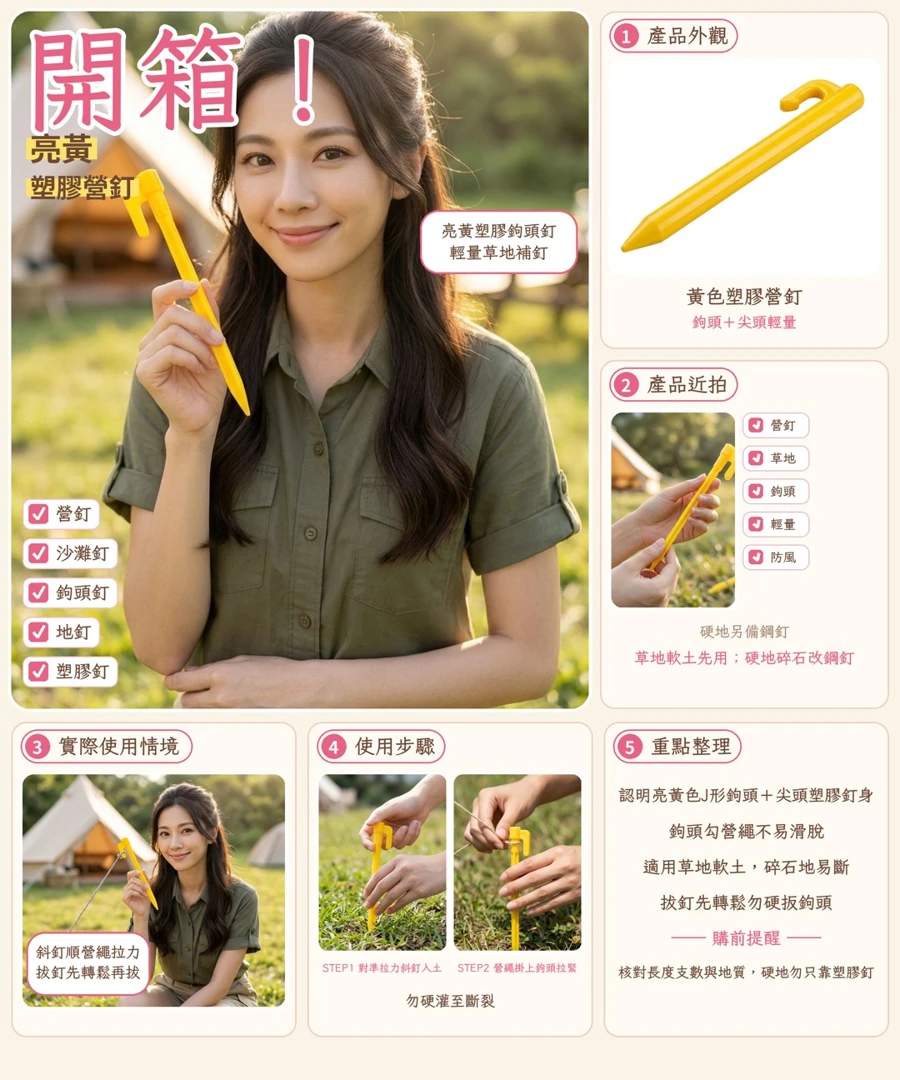
The J-hook is molded as part of the shaft and provides a place to secure a guy line, but it is not a locking clip. Check that the line is properly seated and inspect the anchor after setup. A cracked hook should not be relied on for a load-bearing point.
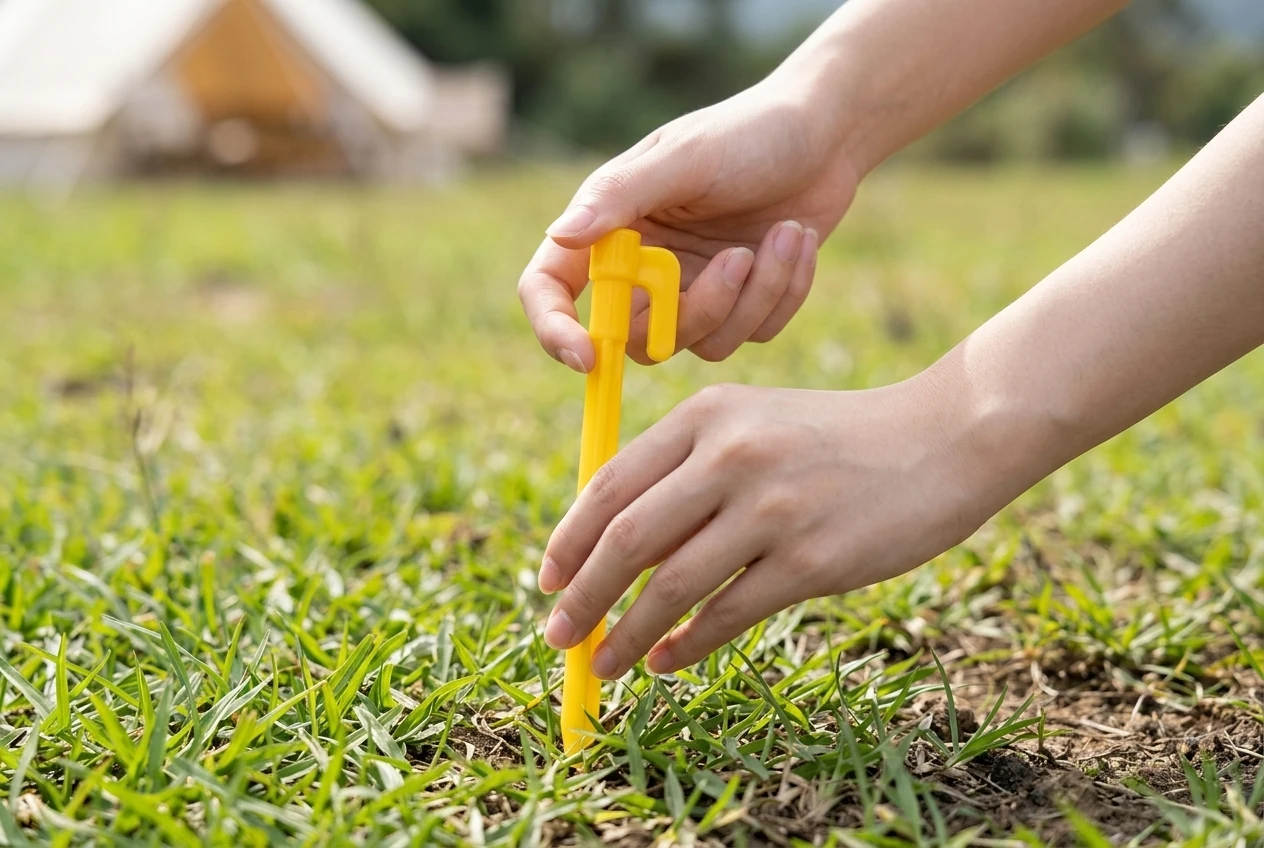
On grass, a peg can be angled with the guy-line pull. Avoid leaving the head protruding excessively where someone could trip. When removing it, loosen the surrounding soil by turning the peg before pulling gently; this may reduce the chance of damaging the hook, although it cannot guarantee that the peg will remain intact.
The yellow color can make a peg easier to find on green grass. At night, visibility still depends on available light, and the color is not a substitute for lighting or reflective material. Keep guy lines and anchors clear of walkways where possible.
Loose sand presents a different problem: a peg that goes in easily can also be pulled out as the sand shifts. These stakes may provide supplementary anchoring, but longer sand pegs, screw pegs, or sandbags are worth considering when the beach is windy or the sand is loose.
Different tools can travel in the same kit. Light plastic pegs can supplement a setup on grass, metal pegs can be kept for hard ground, and sand-specific anchors or bags can be brought to the beach. Check conditions on arrival and adjust the anchoring method as needed.
After a short beach trip, rinse away sand and salt with fresh water before storing the pegs. Plastic does not rust, but the available information does not state a material grade or UV-aging rating, so long-term performance in sunlight is unknown. Inspect the shaft and hook before putting each peg away.
The listing does not state exact dimensions, and a picture is not a reliable way to calculate them. Ask the seller about length, diameter, and pack count before buying; once received, you can measure the pegs yourself and check that the hooks fit your intended attachment points.
What users say
A Mobile01 discussion about choosing tent pegs covers different peg types. Some replies describe included tent pegs as soft or short and suggest metal pegs, including heavy black steel pegs, for hard ground. These are general equipment suggestions, not reports on this particular yellow hook stake.
In a Mobile01 beach-tent discussion, participants note that ordinary pegs can pull out in beach wind and suggest sand pegs, screw pegs, or water-filled bags. The peg guide from 朱雀の鳥窩 describes triangular plastic pegs as light and suitable for grass or sandy soil, while noting the need for other pegs on rocky ground and the potential to damage plastic heads when pulling them out. These sources discuss peg categories, not measured wind or durability results for this product.

Similar alternatives
- Heavy black steel or forged pegs: An option for hard or rocky ground, though heavier to carry.
- Long sand pegs or screw pegs: Options for loose sand; anchoring still needs to be checked against the conditions.
- Sandbags or water-filled bags: Alternative ballast when it is difficult to secure pegs in sand.
Consider these yellow plastic pegs as lightweight spares and choose the rest of your anchors for the ground you expect to visit. Ask the seller about dimensions, pack count, and whether a storage bag is included if those details are important to your setup.
Pre-purchase checklist
- Check for the yellow plastic round shaft, pointed tip, and molded J-hook.
- Ask about length, diameter, and the number of pegs in the selected pack.
- Bring suitable metal pegs if your trip includes hard or rocky ground.
- Plan for sand pegs, screw pegs, or ballast on loose sand or windy beaches.
- Check whether a storage bag is included, along with the selected option, shipping origin, and return terms.
- Inspect the hooks and shafts on arrival, and measure the pegs if needed.

Specs
| Item | Detail |
|---|---|
| Product | Yellow plastic camping stakes with hook tops, lightweight |
| Appearance | Bright yellow plastic round shaft, pointed tip, molded J-hook; commonly displayed in groups |
| Common use | Guy lines or groundsheets on grass and soft soil; supplementary use in sand |
| Sales count | Approximately 4,000 or more sold |
| Information not specified | Exact length, diameter, pack count, material grade, wind-load rating, and hard-ground limits |
Pros
- Lightweight and bright yellow, making the pegs easier to spot as picnic or camping spares.
- Molded hooks help keep guy lines from slipping off the tops.
- Plastic does not rust and can be rinsed with fresh water after beach use.
Cons
- Hard or rocky ground can bend or break plastic pegs; they do not replace metal hard-ground pegs.
- Pulling forcefully can damage a hook, and length and pack count need confirmation.
- Holding ability is limited in loose sand and strong wind, so sand-specific anchors or ballast are still needed.
Where to buy
FAQ
Can these plastic stakes be used in hard soil?
Hard or rocky ground can bend or break plastic stakes. Do not rely on them as your only hard-ground anchors; bring suitable metal pegs.
Are these stakes enough on their own at the beach?
Loose sand and sea wind can pull ordinary pegs out. Use these as supplementary anchors and bring long sand pegs, screw pegs, or sandbags when conditions call for them.
What does the J-hook do?
It gives the guy line a place to sit and helps prevent it from slipping off, but it is not a locking clip. Loosen the peg before pulling to reduce the risk of damaging the hook.
How many stakes come in a pack, and how long are they?
The available information does not specify exact length, diameter, or pack count. Ask the seller before ordering and count and measure the stakes when they arrive.
You might also like
Sports & Outdoors
Product comparisonBest Camping Gear 2027 for Beginners: Rent a Tent, Buy 5 First
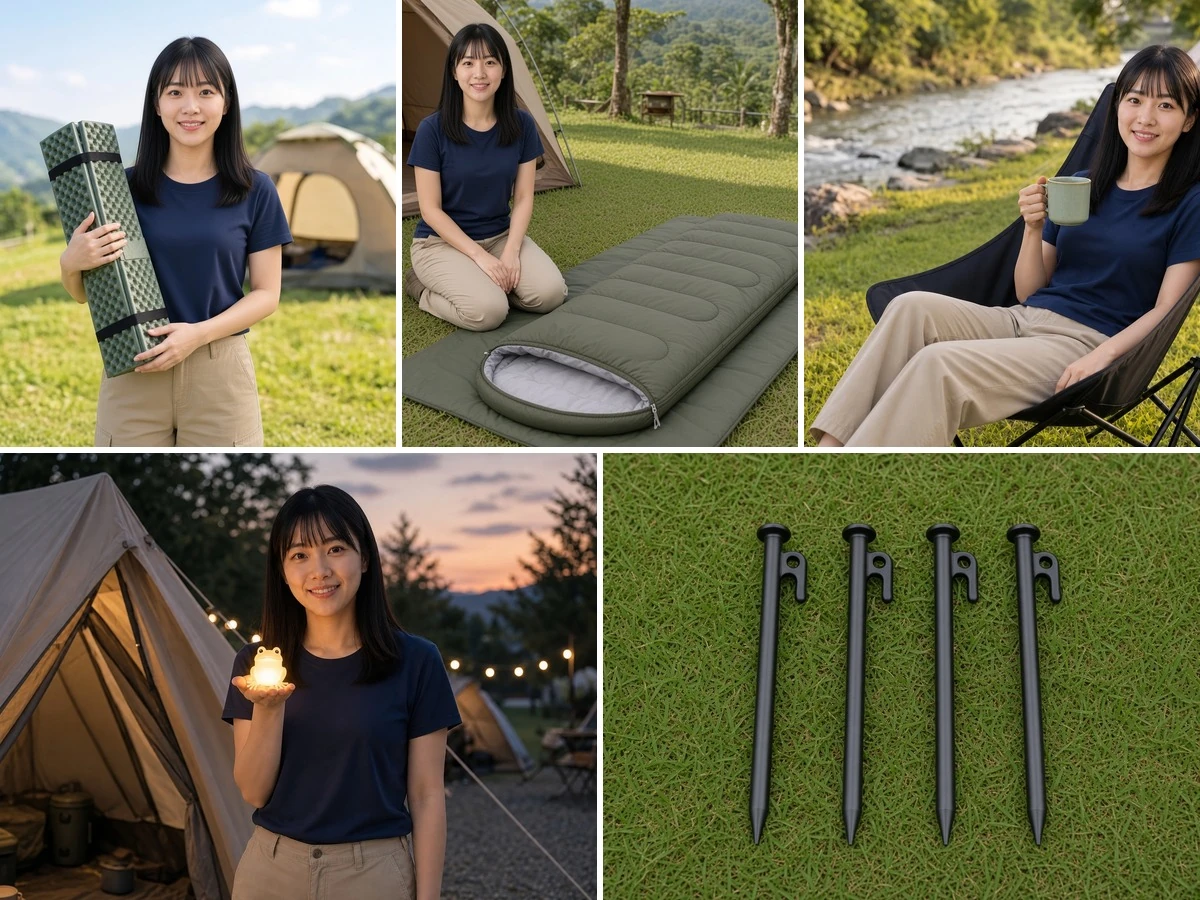
Renting a tent for your first camping trip? Here are five budget items worth buying yourself, a foam pad, an envelope sleeping bag, a moon chair, guy-line lights and steel stakes, plus what to check before you buy.
Sports & Outdoors
Product analysisSleeping Bag Review: Fall Car Camping Warmth and Down Claims
Don't like the smell of rented sleeping bags? This budget envelope bag works as a clean layer and light cover; autumn warmth depends on your pad, clothing and whether you add a liner.
NT$105

Sports & Outdoors
Product analysisMagnetic Carabiner Review for Camping: Will It Shake Loose?
Want to hang a lamp or keys on steel at camp? Check the surface and load first, and don't confuse this clip with a webbing canopy strap.
NT$22
Sports & Outdoors
Product analysisFolding Camping Bucket Review: Fill It at Home to Check for Leaks
Folding buckets free trunk space, but fabric versus telescopic leak risk still depends on use case and capacity.
NT$43