Po2 Pet Nebulizer Review: Is a Handheld Mist Fine Enough for Cats and Dogs?
30-second verdict
A fit for owners whose vet recommends home nebulizing and who want fewer clinic trips. If you need a listed mist size, choose a medical nebulizer.
Good for
- Cat and dog owners whose vet suggests home nebulizing
- Owners who want fewer clinic trips for daily saline care
- Small homes that need a compact handheld unit
Not for
- Buyers who need medical specs with a listed mist size
- Owners who plan to medicate without asking a vet
How to choose a nebulizer: which specs matter?
First, check whether the mist size is given as a number. A PTT cat owner compared several machines: an Omron compressor model lists an MMAD of about 3μm, a cup of up to 10 mL, and about 0.30 mL nebulized per minute; a portable Pari model from Germany lists an MMD of 3.8μm with 65% of particles under 5μm; an ultrasonic model only gives a range of 1.3 to 14.3μm. The fuller the specs, the easier it is to judge whether the mist is fine enough.
Then look at how you add medicine and run it. The same owner said the Pari opens from the top for pouring, which helps when dosing two or three medicines, while the Omron has to be twisted apart; the ultrasonic unit needs water added, has to be emptied after use, and tends to leave the cat damp. His only complaint about the Pari was that it is noticeably loud and vibrates, though his cat ignored it.
This Po2 only lists three settings and low noise, with no mist-size figure. It fits needs like vet-advised saline to keep the nose moist; if treatment calls for precise dosing, ask your vet whether a medical unit with clear specs is the better choice.
Buying Guide Notes · First published:
Compiled from public sourcesWritten using official specs and user feedback.
Pros
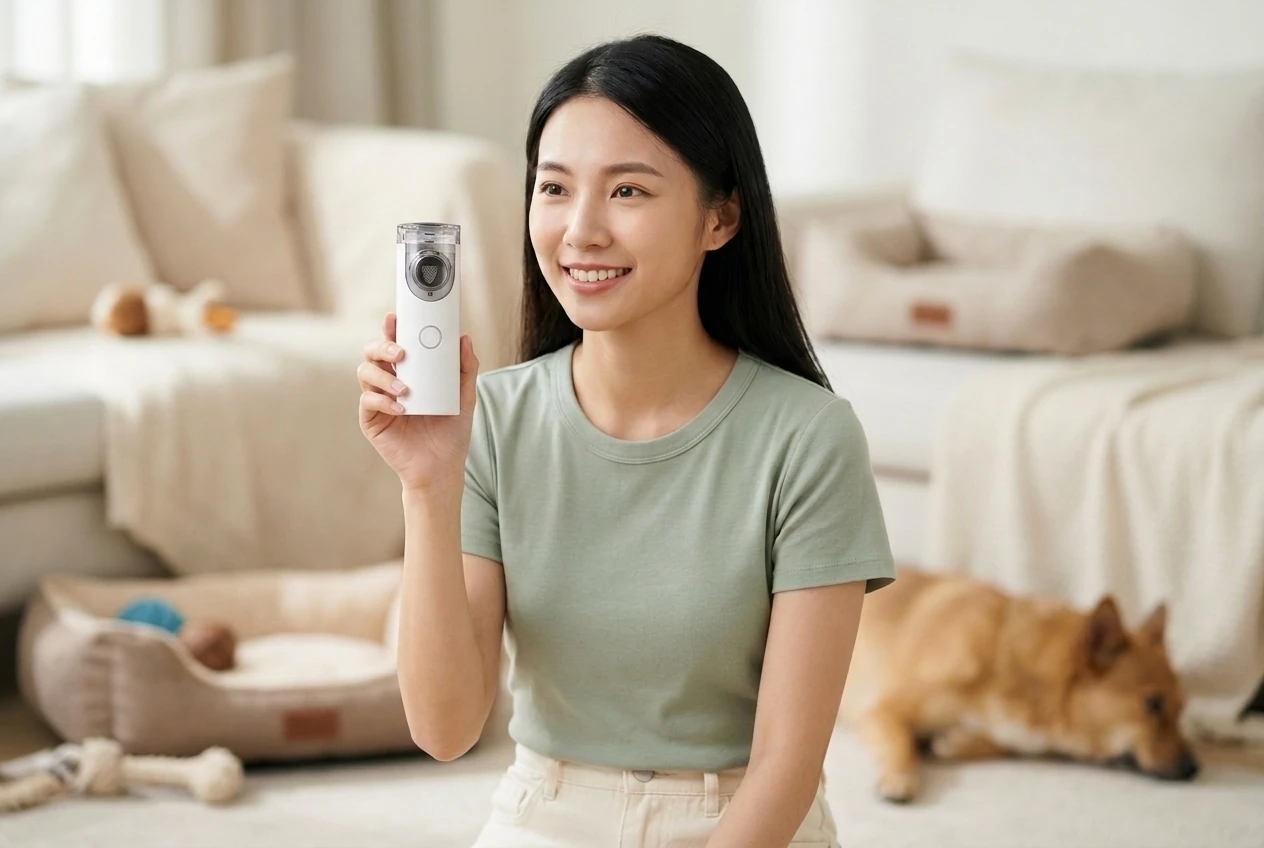
- Small handheld body stores easily and works with a carrier or hood
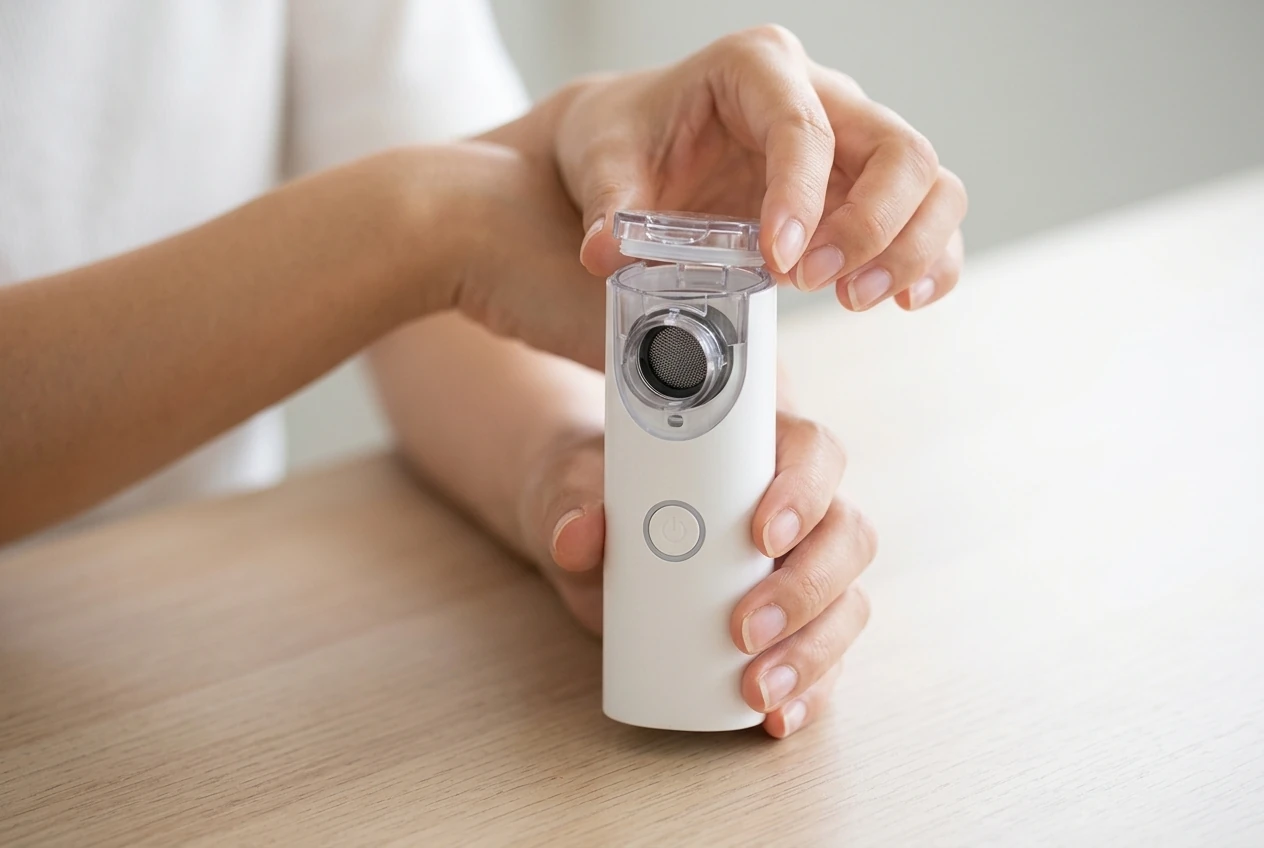
- Clear cup shows how much liquid is left and is easy to empty and rinse
- Three settings let you adjust the mist to how your pet reacts
Cons
- No mist-size figure, so it cannot be compared directly with medical units
- "Low noise" is only a seller claim with no measured volume
- The fine mesh nozzle needs cleaning and drying after every use or it may clog
Specs
| Item | Detail |
|---|---|
| Product | Po2 pet nebulizer |
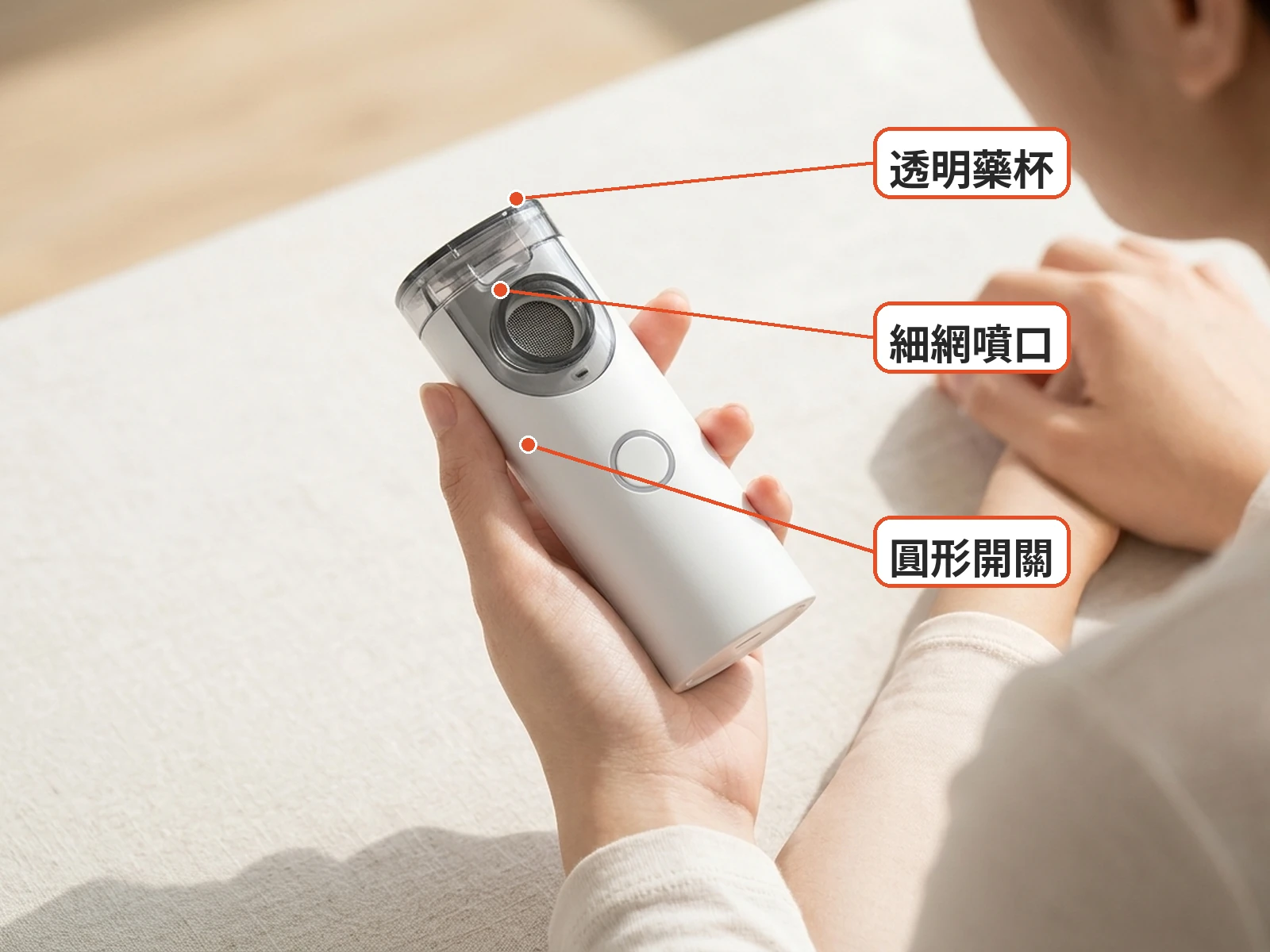
| Look | White upright handheld, clear medicine cup, fine mesh nozzle, round power button |
| Seller claims | Fine particles, three settings, low noise, for animals |
| Mist size | No figure listed |
| Typical use | Home nebulizing as directed by a vet (saline or prescribed liquid) |
| Current price | NT$399 |
| Seller | Third-party seller |
Sources and verification status
Verification status: compiled from public sources; not hands-on tested
Data updated:
When a cat keeps sneezing or an older dog keeps coughing and the vet suggests home nebulizing, many owners look at handheld units first. The big questions: is the mist fine enough, is it loud, and will the pet sit still?
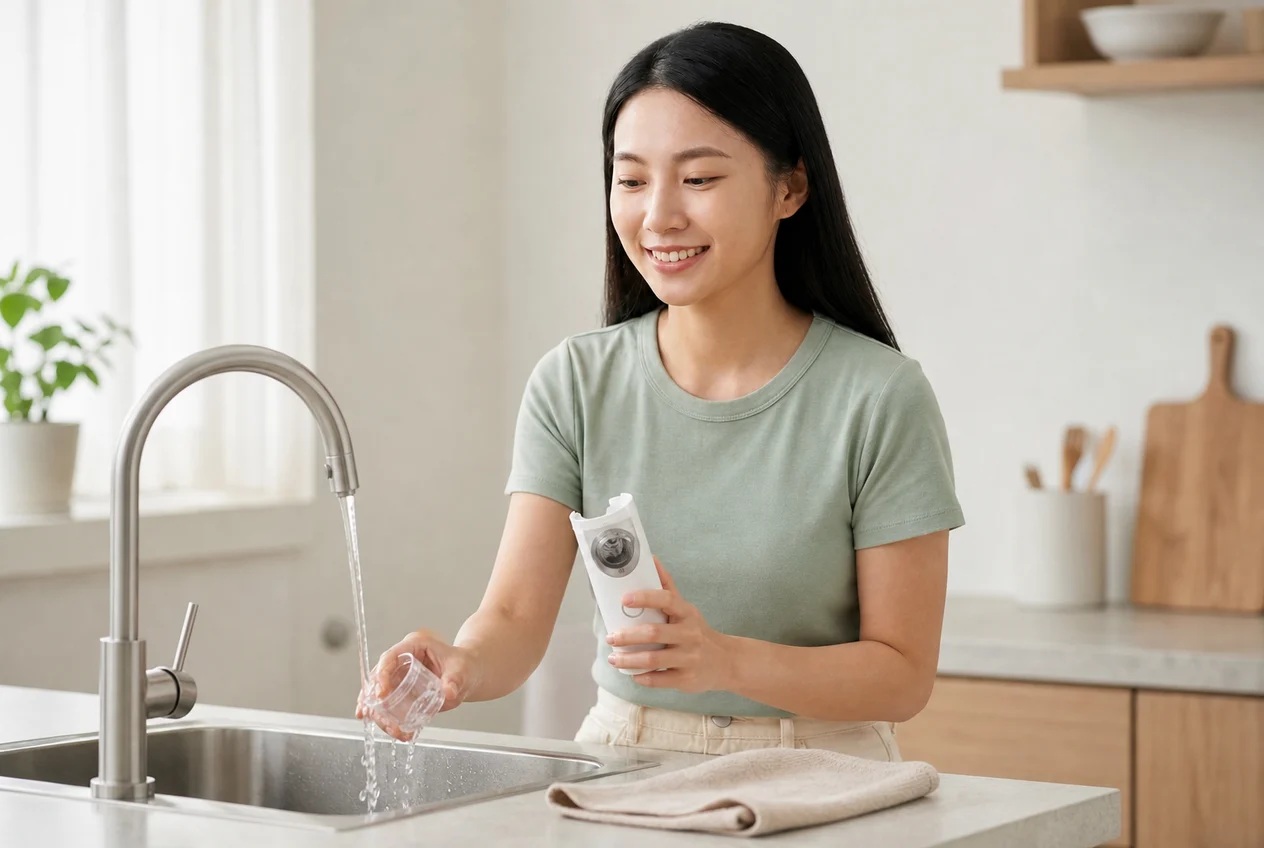
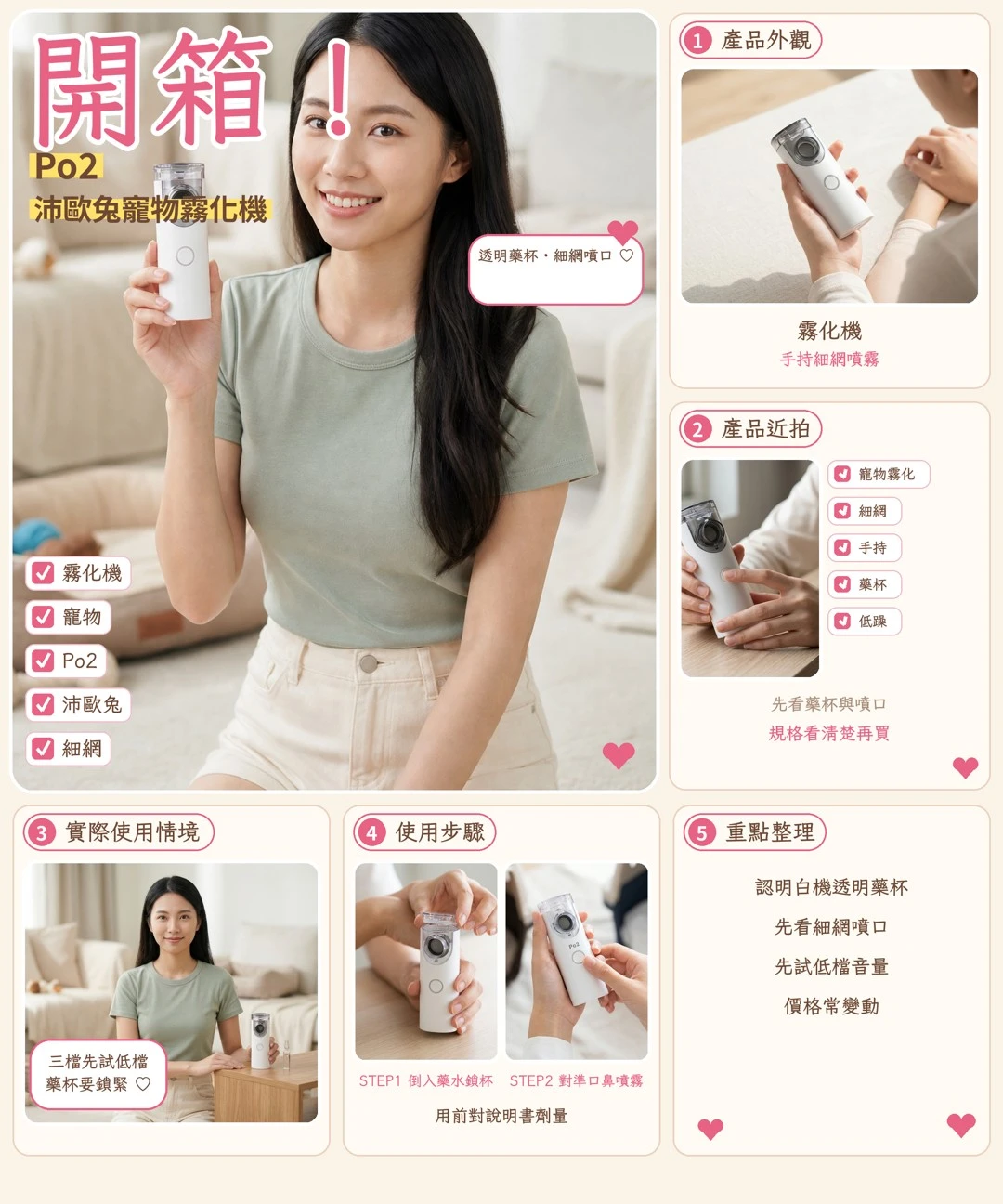
The Po2 pet nebulizer is a white upright handheld unit with a clear medicine cup on top, a dark fine mesh nozzle at the bottom of the cup, and a round power button on the grip. It is sold under the Po2 brand. The product images say "fine particles", "three settings", "low noise", and "for animals"; these are the seller's claims, and no public data on this model's mist size turned up.
The current price is NT$399. The shop shows no official brand-store mark, so treat it as a third-party seller. Check the cup size, charging method, warranty, and included hood on the seller's page before you buy.
How do you use a pet nebulizer at home?
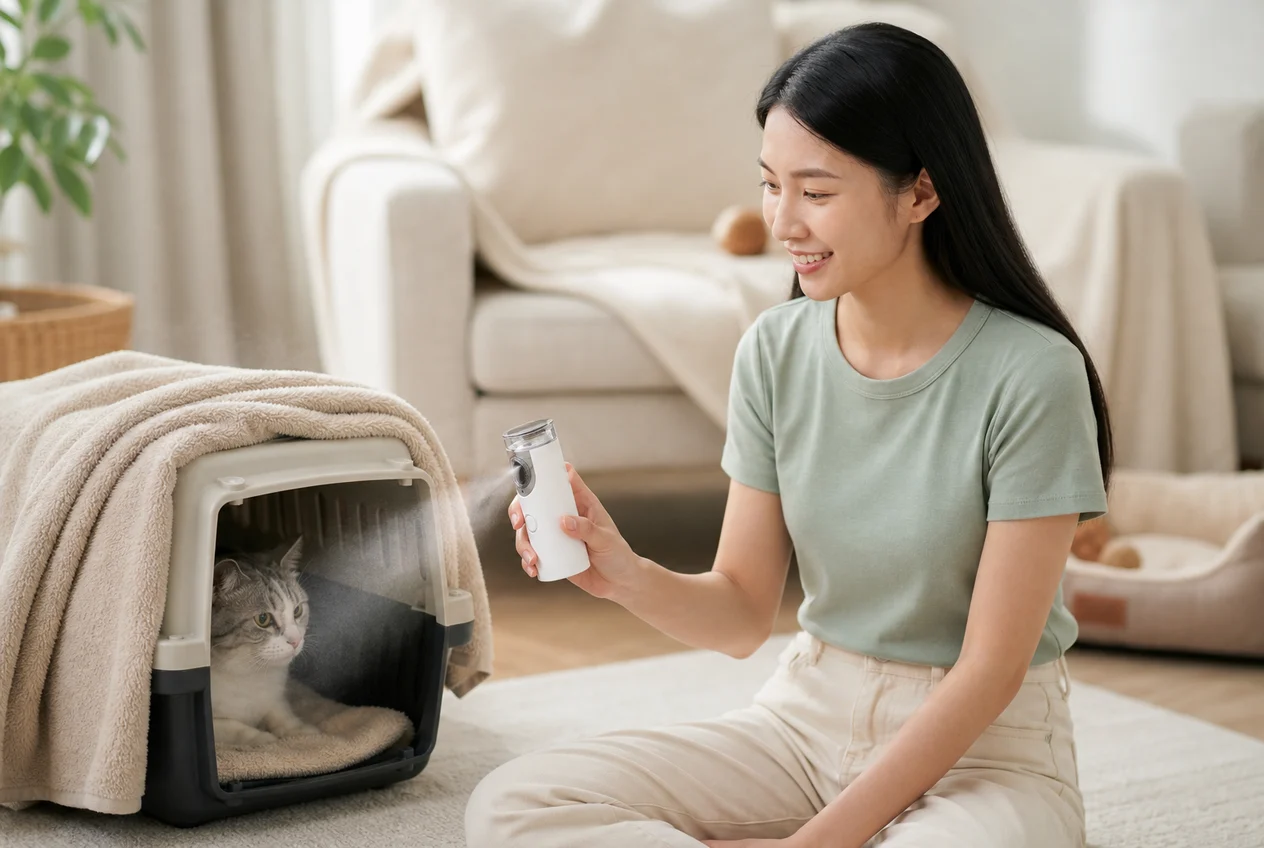
Clean the cup, pour in the liquid your vet prescribed, close it, pick a setting, and let your pet breathe the mist in a ventilated spot. Two setups come up often on PTT's cat board: put the cat in a carrier with the nozzle facing in and cover it with a large towel, or use a nebulizer hood with small air holes.
It is a home-care aid; follow your vet for any medication. Never add essential oils.
Is a handheld nebulizer's mist fine enough?
A cat owner on PTT compared medical nebulizer specs and noted that 1 to 5 microns is the commonly suggested mist size, and medical brands list exact figures. This unit only says "fine particles" with no number, so ask your vet or choose a medical unit that lists its specs if that matters to you.
Is a handheld pet nebulizer worth having at home?
If your vet already suggests home nebulizing, a handheld unit saves trips and fees. One PTT owner said a clinic session cost about NT$300, while daily saline at home cleared the cat's nose and brought back its appetite.
Use the charger the manual recommends. The same owner warned that handheld nebulizers need a plain 5V2A plug, and a phone fast charger can burn the unit out.
Empty leftover liquid and dry the cup after each use so the fine mesh nozzle does not clog.

Care and parts: how often do you replace them?
The cup and nozzle wear out. One PTT owner using a clinic rental two or three times a day went through two cups a week, and said old cups weaken the mist; his Pari needs a new cup every 6 months and a filter check every 6 months. When a handheld's fine mesh nozzle puts out less mist, clean it first; if that does not help, plan to replace it. Ask the seller before you order whether the nozzle is sold separately.
For a cost estimate, a PTT owner said one clinic session is NT$300, about NT$2,100 for a week; a handheld unit is under NT$500, and a hood is about NT$399 to NT$499.
Getting a cat to cooperate takes some setup. With a carrier, put the nozzle inside, cover it with a large towel or a thin jacket, and leave an air gap so air can circulate; one owner warned that without it, the session can do more harm than good. A hood with small holes takes less space, and afterwards you just wipe the head with a tissue instead of dealing with a damp cat.
What users say
- One PTT owner used a cheap handheld nebulizer with a hood and daily saline for a cat with a cold; within a week the nose was clean and appetite returned, so a pricey brand felt unnecessary.
- Others put the cat in a carrier covered with a large towel, and some vets prescribe medicine for home use.
- Spec-minded owners chose medical units that list mist size and noted some models are noticeably loud and vibrate.
Pre-purchase checklist
- Confirm it is a white handheld unit with a clear cup, fine mesh nozzle, and round power button
- Ask your vet which liquid to use and how often
- Confirm the charging method and recommended charger
- On arrival, test the mist with an empty cup before adding medicine
- Read the warranty and return policy
Similar alternatives
- Medical compressor nebulizer: lists mist size, costs more, larger body
- Pet nebulizer hood: helps cats and dogs cooperate; sold separately, keep it ventilated
- Clinic nebulizing: no device to buy, but more trips to the vet
FAQ
Is the handheld mist fine enough?
It only says "fine particles" with no size figure. A PTT owner noted 1 to 5 microns is commonly suggested; ask your vet if it matters.
Can I add essential oils?
No. Ask your vet which liquid to use and how much.
What if my pet resists?
PTT owners often use a carrier covered with a large towel, or a nebulizer hood with air holes.
Is there a Taiwan warranty?
Warranty length and coverage vary by seller; confirm with the seller before you order.
Where to buy
NT$399 | See the lowest price →
Prices change often; recheck the amount and options before you order.
You might also like

Pets
Product analysisBeyondpet Freeze-Dried Pet Treats Review: Are These Pure-Meat Treats Right for Both Dogs and Cats?
Beyondpet freeze-dried treats focus on simple meat ingredients and 11 flavors. Serve them as snacks or rehydrate with water for owners who want cleaner treats for their pets.
NT$240
Pets
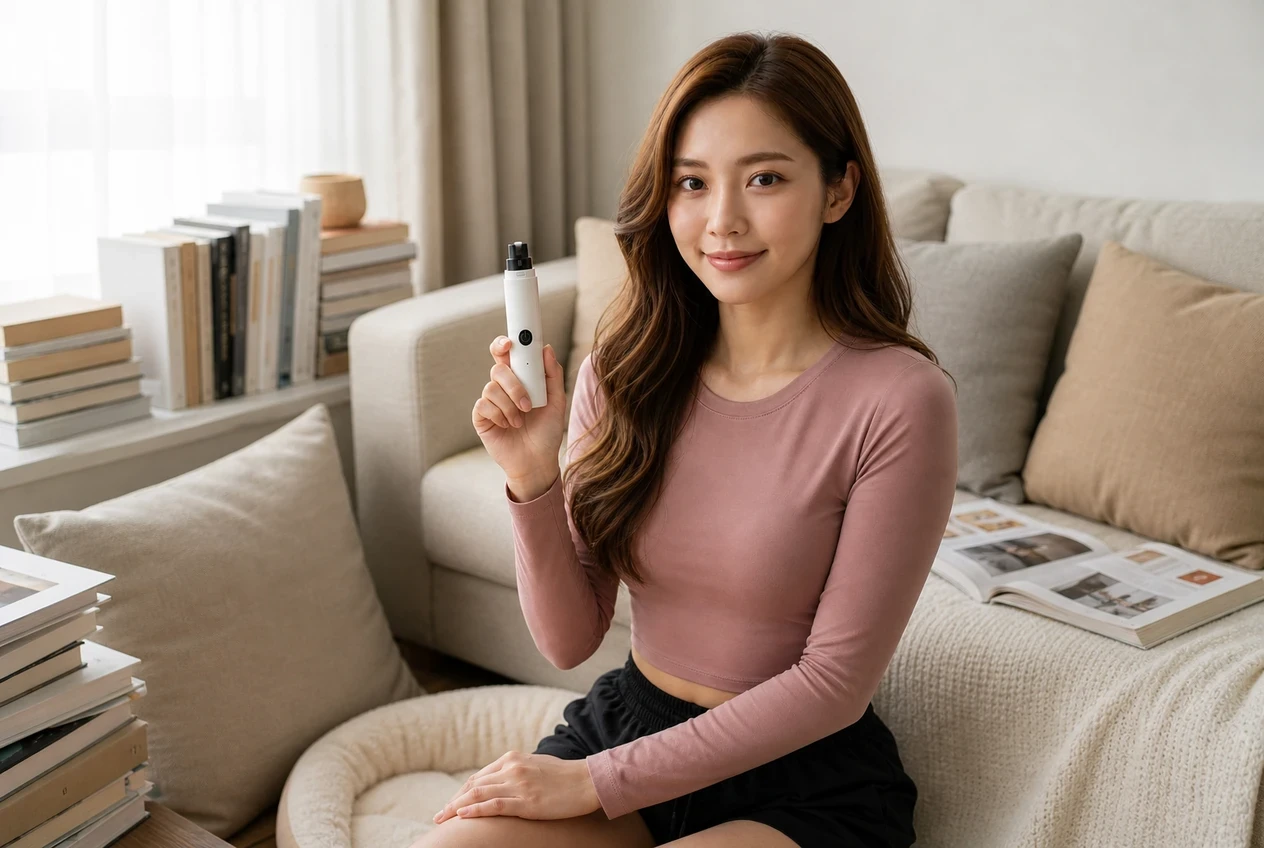
Product analysisPet Nail Grinder Review: Does the LED Help, and Will Cats Hate the Noise?
Afraid of cutting the quick? Grinders help, but LED usefulness and cat tolerance still hang on noise and pacing.
NT$47
Pets
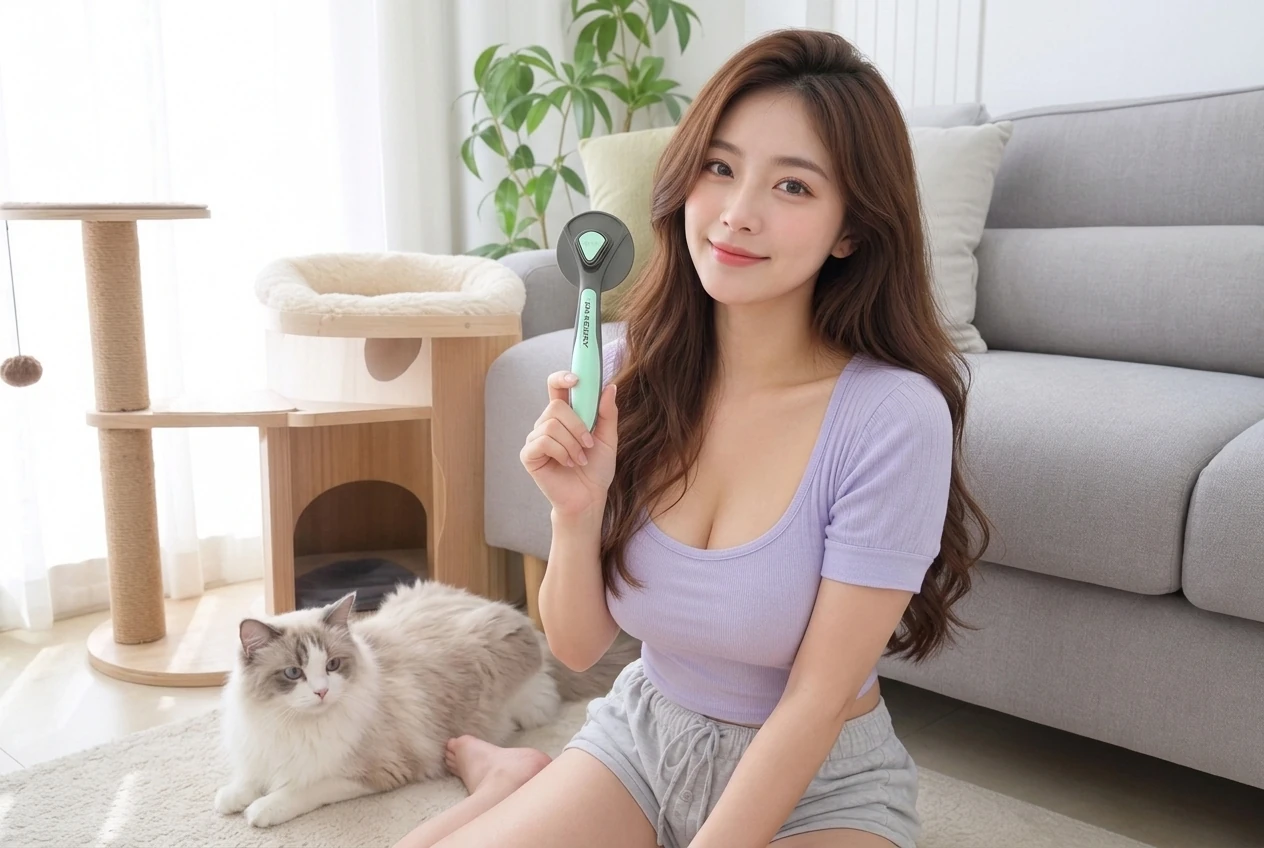
Product analysisPAKEWAY Pet Slicker Review: Does the One-Tap Eject Help?
Shedding everywhere? Check whether the PAKEWAY round slicker’s triangle ejector cleans easily.
NT$89

Pets
Product analysisPet Deshedding Glove Review: Can Petting Alone Remove Loose Fur During Shedding Season?
A pet grooming glove for about NT$39 lifts loose shedding fur while you pet; long undercoat still needs a deshedding comb.
NT$39