Quiddler Review: A Holiday Gift for Word Lovers—If the Table Likes Word Games Too
Buying Guide Notes · First published:
Compiled from public sources · Written using published specs and user feedback.
As an Amazon Associate I earn from qualifying purchases.
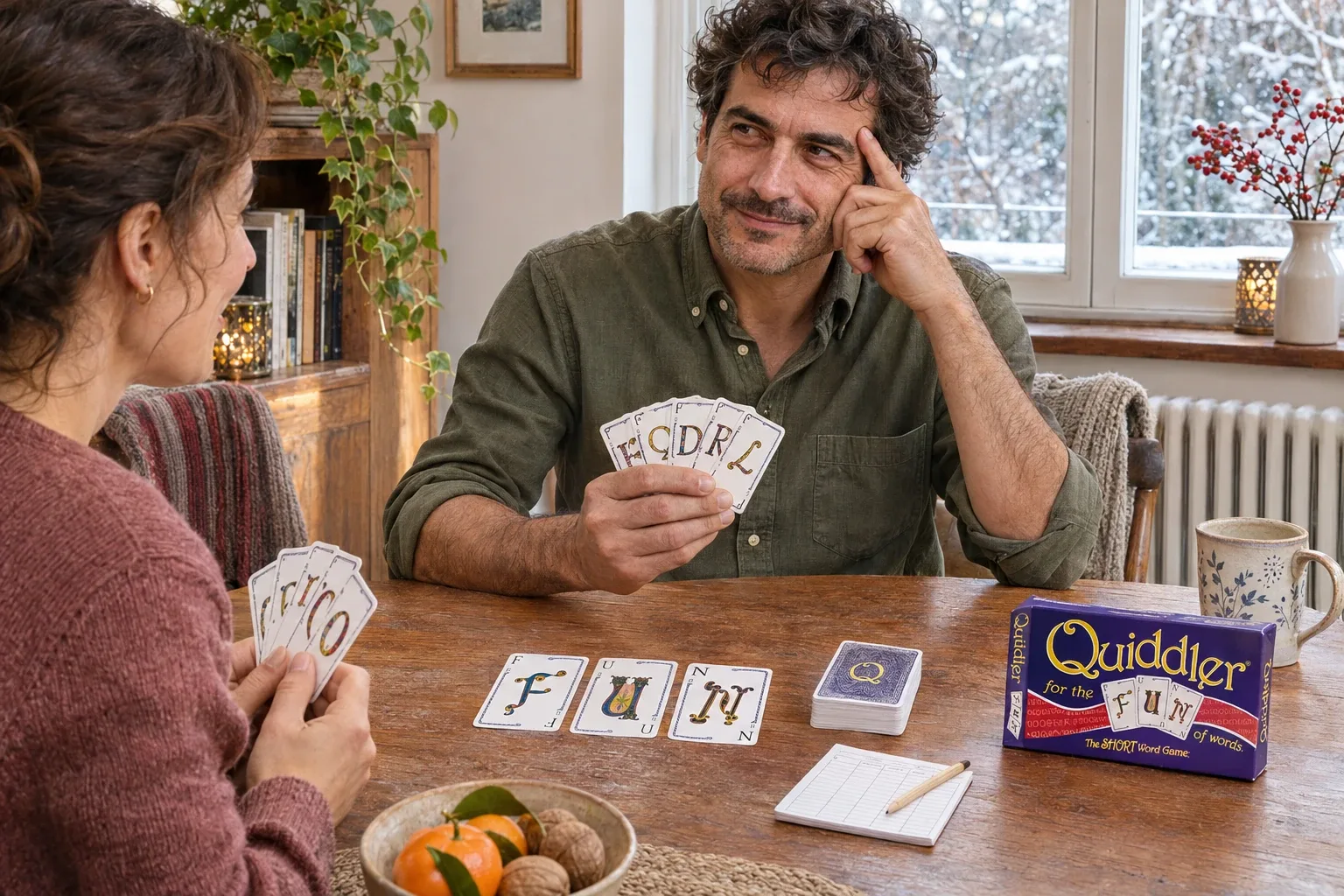
Pros
- + Compact card format without a board
- + Supports group play and a separate solitaire mode
- + Growing hand sizes change the puzzle each round
- + Short words can be useful alongside longer ones
Cons
- - Vocabulary competition is not every player’s preference
- - Eight rounds need more commitment than a single quick hand
- - Scoring and dictionary decisions add table administration
- - Original, Junior and tin listings can be confused
Sources and verification status
Verification status: compiled from public sources
Data updated:
Verified on:
Research checked November 11, 2026 (Taipei). This review is compiled from public sources. We have not physically played, timed or unboxed this edition.
Quick Verdict
Quiddler is a thoughtful holiday candidate for someone who enjoys making words but does not need another large board-game box. It combines a hand of letter cards with the decision of when to finish a round. The important gift check is the group: a word-game enthusiast may love it, while their usual playing partners may prefer another activity.
The original game accommodates a broader player range than a two-player duel, and it also has separate solitaire instructions. That flexibility helps only if the recipient enjoys the underlying word puzzle. Choose it for an existing interest, rather than promise that a card game will teach everyone to love spelling or guarantee an evening without disagreements.
The Edition We Checked
| Buying detail | Selected version |
|---|---|
| Product | Original Quiddler, purple package |
| Model / ASIN | 5000 / B00000IV95 |
| Publisher contents | 118 cards and rules |
| Player range / age | 1–8; ages 8+ |
The selected new Amazon offer showed In Stock, sold and shipped by Amazon.com, for sample ZIP 10001. Seller, delivery and price can change; check the actual offer before buying a time-sensitive gift.
Amazon’s title says “for Kids,” and one detail calls it a Kids Edition. The visible purple package, 5000 model and publisher’s original-game description identify the version covered here. Do not substitute Quiddler Junior, a collectible tin or a bundle without checking what changes. We have not inspected the packaging received from an order.
What Stands Out
A word puzzle that grows over the game
The competitive game runs for eight rounds, beginning with three-card hands and ending with ten. That changes the puzzle instead of asking players to solve the same hand size repeatedly. Cards include single letters and some two-letter combinations; points and the available letters influence the decision, so simply chasing the longest possible word is not the whole task.
That structure is a useful distinction when choosing a gift for someone who already owns a letter-grid game. There is no large board to store, and the cards travel together. A small score sheet and a place to spread words are still part of the playing setup.
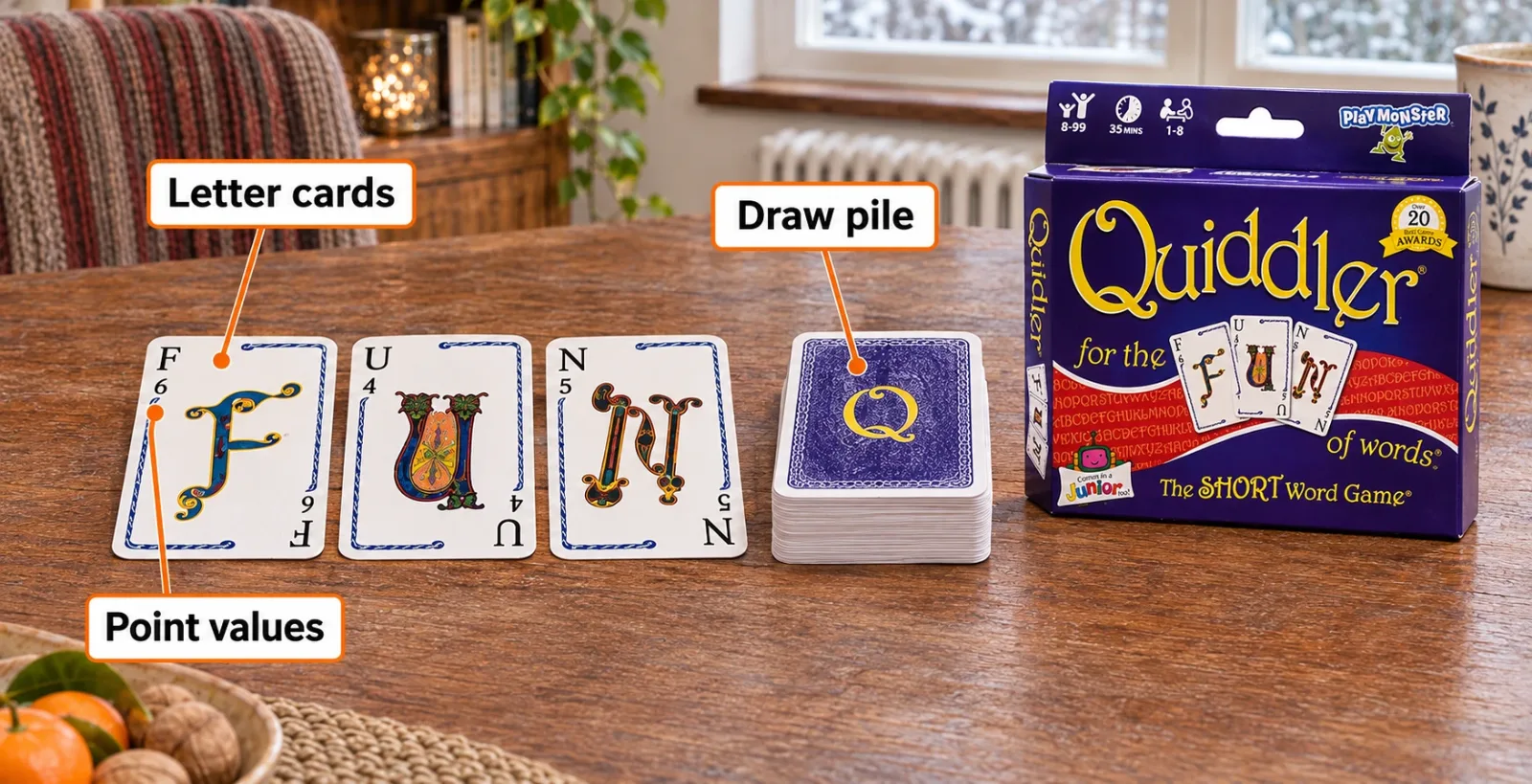
AI-generated illustration — enlarged letter cards and draw pile with orange feature labels. Enlarged detail, not a measurement or official rules diagram.
Short words have a place at the table
The goal involves making one or more allowable words from a hand. This gives the player more to consider than assembling one impressive long word. The official rules include bonuses and penalties, so a recipient who likes comparing possible scores has a reason to return to the deck.
Do not turn that description into a promise of equal outcomes across vocabulary levels. Some groups enjoy a competitive word challenge; others would rather choose a game that relies on different skills. Gift fit is about their preferred evening, not whether the box sounds educational.
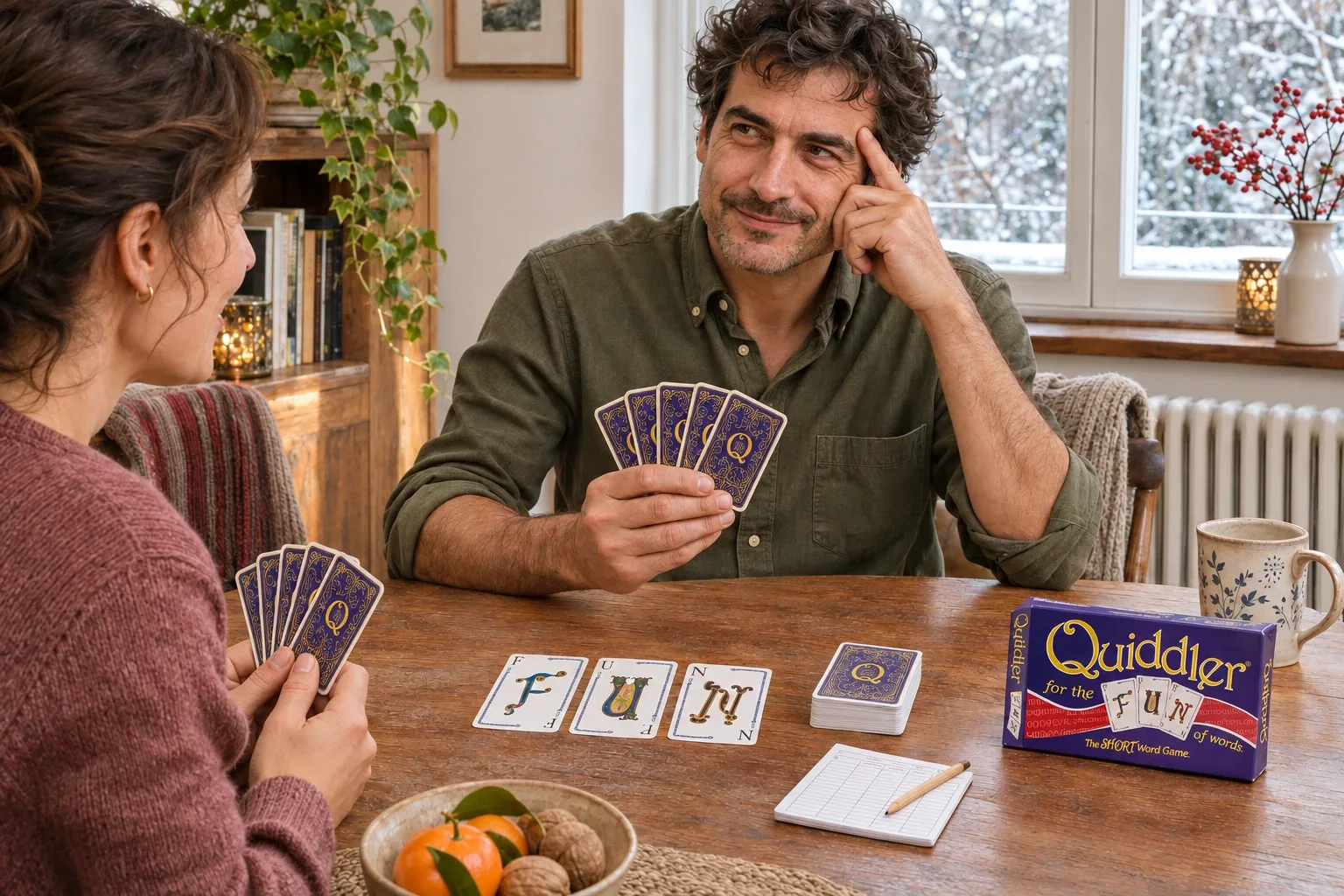
AI-generated illustration — the same adults holding cards beside the tabletop arrangement. Fictional arrangement, not a recorded game.
Where It Falls Short
The group has to want a word game. A compact package and wide player range do not solve a mismatch in interests. If the intended recipient struggles to persuade friends to play the word games they already own, another deck may not help.
The dictionary decision belongs before the first dispute. The official rules ask players to choose dictionaries and specify excluded word types. Agree on the reference rather than improvise a new standard after someone lays down a valuable word. Check the challenge procedure in the supplied rules instead of treating an internet house rule as official.
Eight rounds take a deliberate block of attention. The group needs to handle cards, count points and continue through increasing hand sizes. We have not timed a session or compared waiting time across player counts. For a gathering with constant interruptions, a simpler one-hand activity may be easier to start and finish.
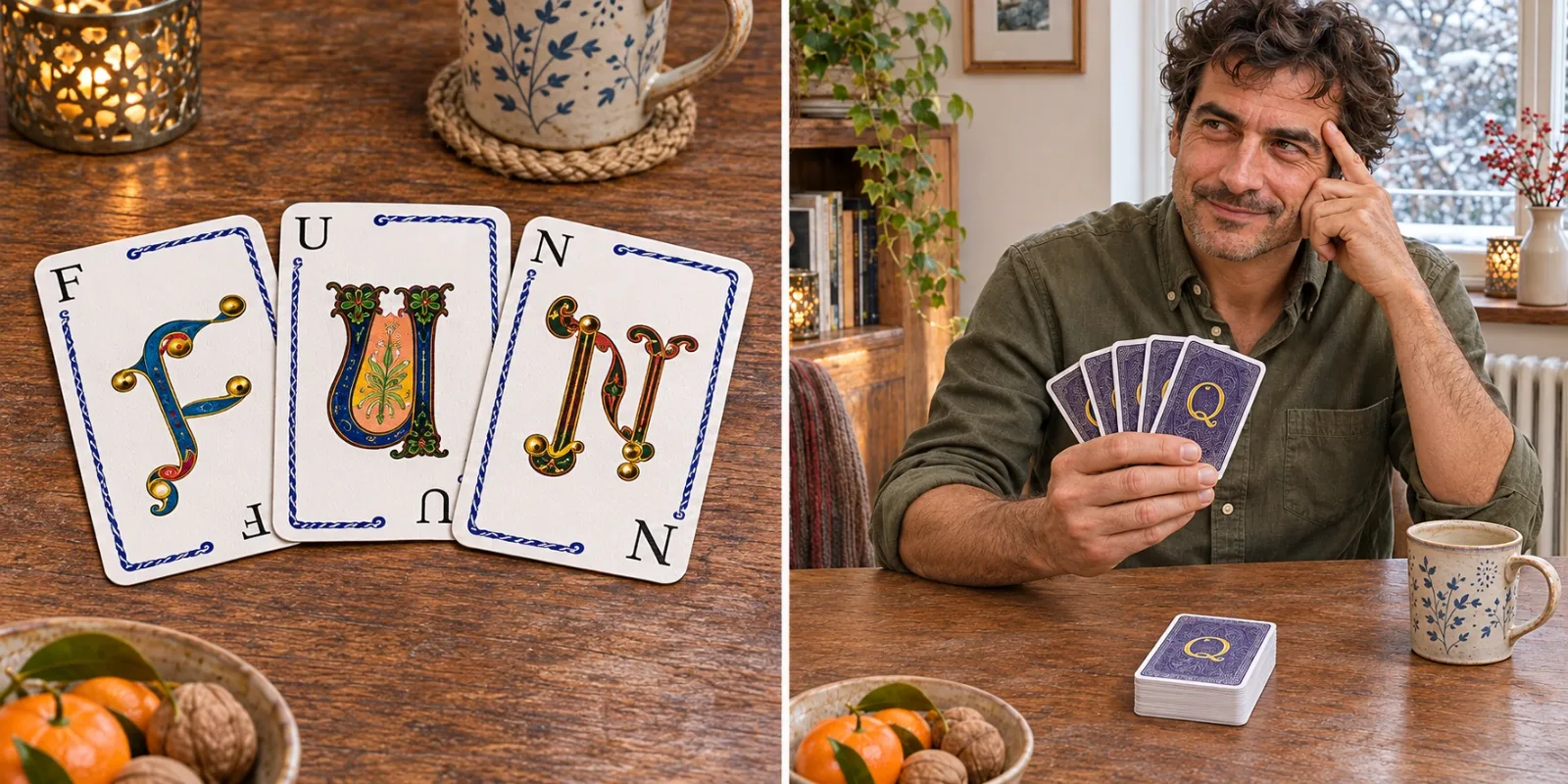
AI-generated illustration — enlarged card faces and a normal-sized hand of purple-backed cards. Enlarged detail, not a measurement or official rules diagram.
What Owners Say
- A long-running family tradition. In a December 25, 2024 Reddit comment, one player reports roughly fifteen years of family game nights with Quiddler. They frame it as a source of shared memories rather than a life-changing game. That is a useful, modest endorsement of repeat play in one household.
- Finding willing players can be harder than liking the game. A December 26, 2024 reply describes enjoying a family copy while finding it difficult to locate others who enjoy it equally. This is a social-fit limitation, not evidence that the cards or rules are defective.
These comments name Quiddler but do not confirm the current ASIN, exact package or printing. They do not establish a typical game length or an improvement in literacy. We did not treat votes, retailer-generated summaries, deal posts or promotional review collections as independent performance evidence.
Who It’s For
Consider it for an adult or older child who already chooses word games, a household that enjoys keeping score, or a recipient who would appreciate a compact game with a solo option. A holiday visit can be a natural opportunity to learn it together, provided the table actually wants that kind of challenge.
Skip it for someone who dislikes vocabulary competition or prefers games with less reading and scorekeeping. The publisher’s age recommendation is a starting point for the product, not a guarantee that every eight-year-old will enjoy competing with every adult.
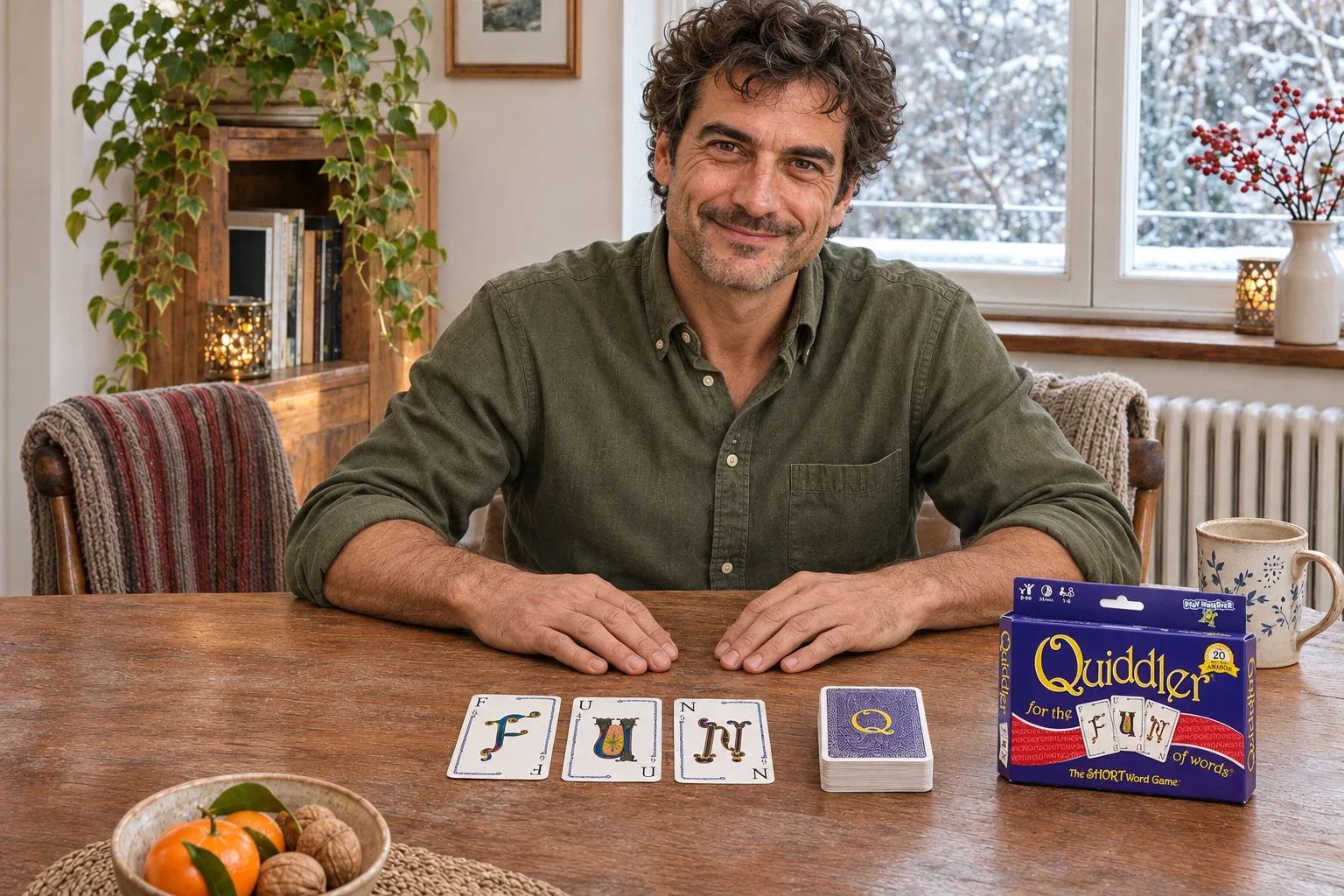
AI-generated illustration — the same man beside the original Quiddler cards and package. Fictional arrangement, not a recorded game.
Alternatives at a Glance
| Alternative | Prefer it when | Tradeoff |
|---|---|---|
| Quiddler Junior | A different early-reader format is wanted | Different product, age guidance and components |
| Existing word-grid or tile game | The recipient enjoys that established routine | Board or tile setup differs |
| A non-word card game | The group would rather avoid vocabulary competition | Different kind of puzzle and interaction |
| Solo word-puzzle book | A regular group is unlikely and paper puzzles appeal | No shared card-game session |
These are alternatives by purpose, not winners from a play test. Check the actual edition instead of assuming the same name means identical rules or contents.
How We Researched This
We matched the Amazon model and visible package to PlayMonster’s original product, checked its official rules and read dated public comments about family use. This is buying analysis rather than a measured learning or gameplay study. The five AI-generated illustrations use the same fictional adults, clothing and reference-style cards. Enlarged details are identified, and card arrangements are illustrative rather than records of real rounds. Notebook, pencil and refreshments are props.
Sources
- PlayMonster original Quiddler 5000
- Official Quiddler rules PDF
- Selected Amazon edition and current offers
The dated owner comments are individually linked above.
FAQ
Is this Quiddler Junior?
No. This article covers original Quiddler model 5000, ASIN B00000IV95, recommended for ages 8 and up. Amazon’s title uses “for Kids,” but the original purple package and model should not be confused with Quiddler Junior.
How many people can play?
PlayMonster lists one to eight players. Solitaire has its own instructions and scoring goal; it is not simply the competitive game played against an empty chair.
How long is a standard game?
The competitive game has eight rounds, with hands increasing from three to ten cards. Actual playing time depends on the group and decisions; we have not timed a game.
Do we need a dictionary?
The official rules tell players to choose their dictionaries before starting. A dictionary can be used when it is not your turn, and the rules describe which word types are excluded. Do not assume a separate dictionary book is included.
Do the two-player bonus rules differ?
Yes. The official rules say two players should use only one of the two bonuses and agree on which before starting. Check the supplied rules rather than award both by default.
Price and purchase links
You might also like
Home & Kitchen
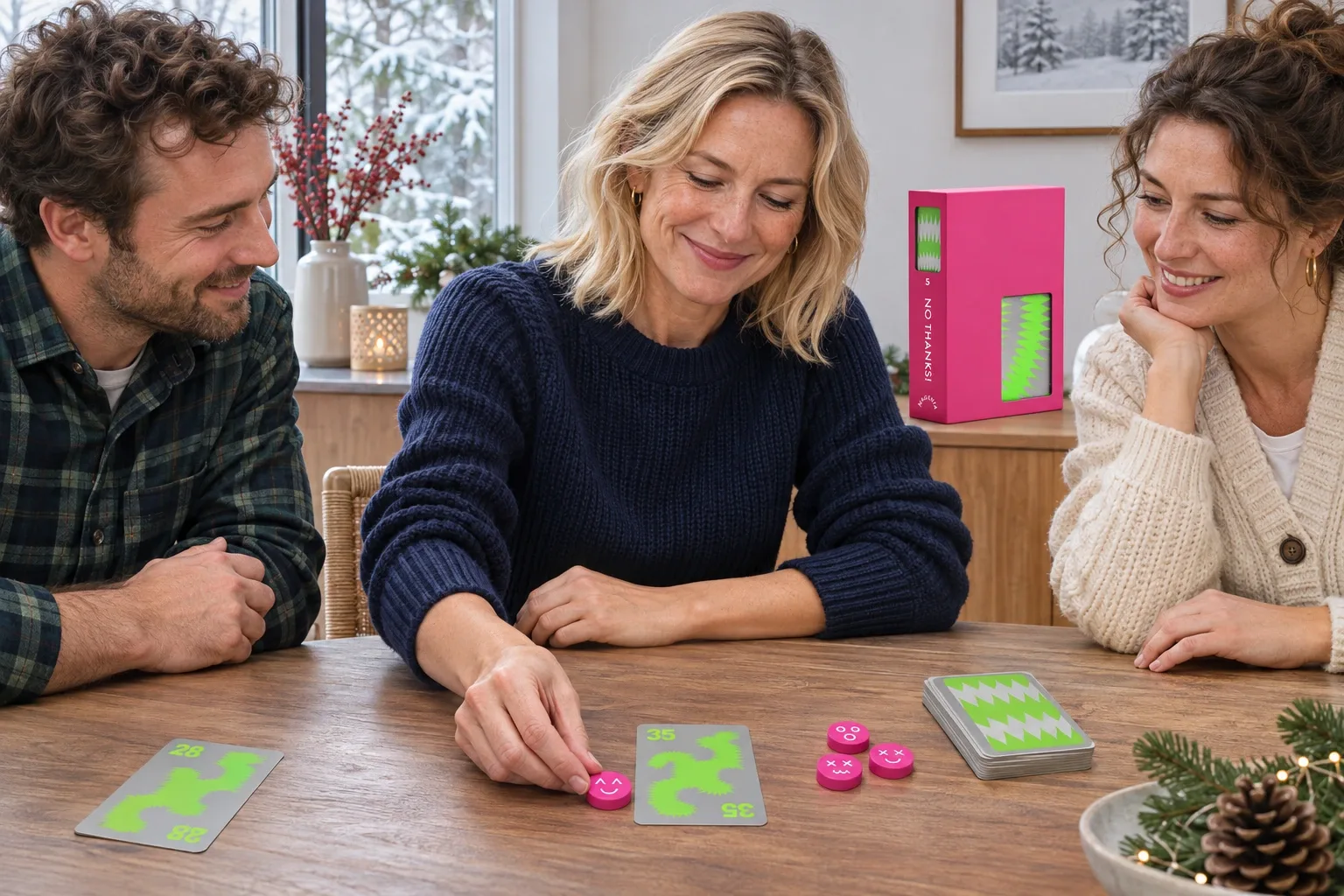
Product analysisCMYK No Thanks! Review: A Small-Box Gift for Friends Who Enjoy Saying No
A take-it-or-pass card game makes a compact holiday gift, provided the recipient likes competitive table tension. We check the CMYK Magenta edition and separate older gameplay reports from current component evidence.
Home & Kitchen
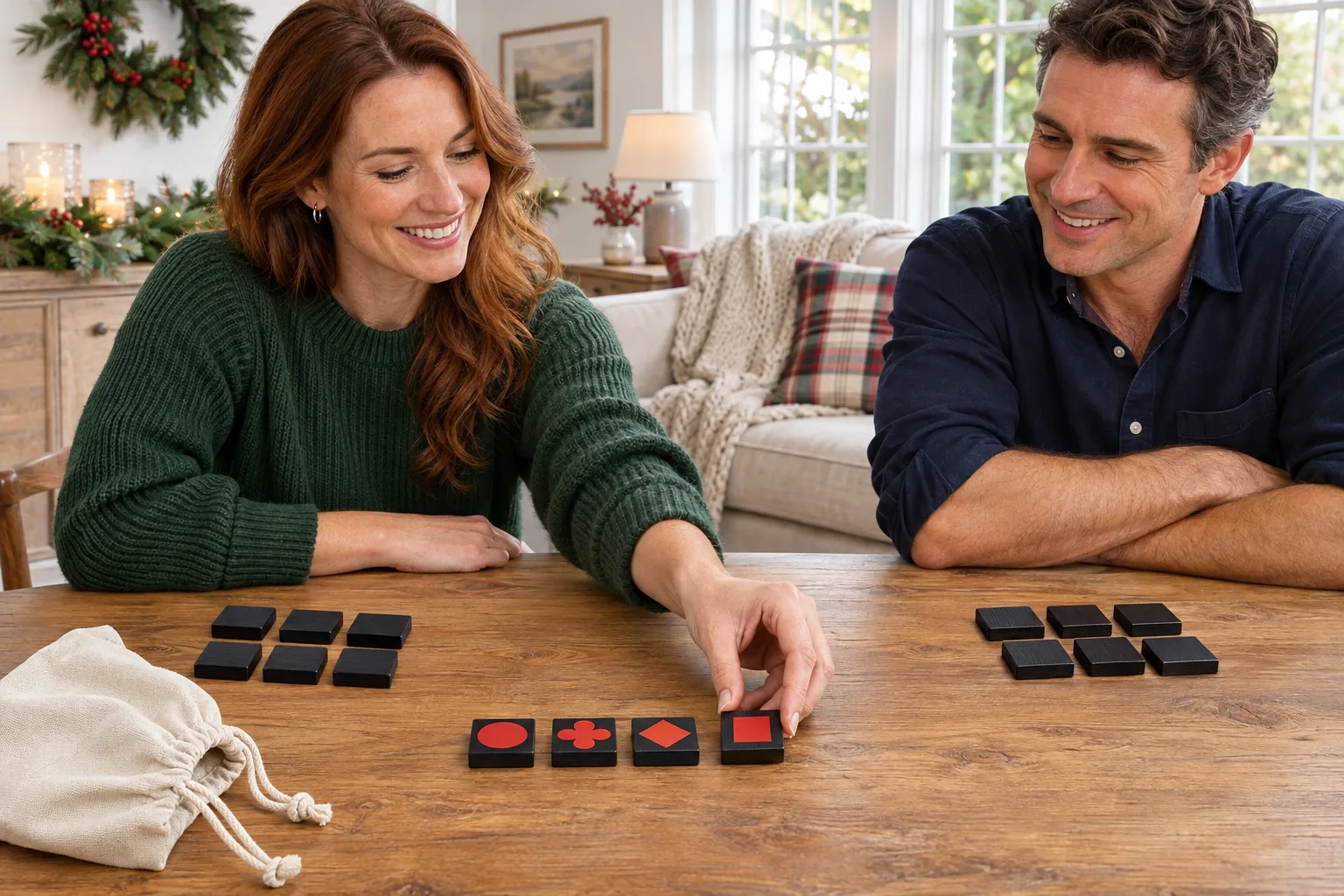
Product analysisQwirkle Review: A Christmas Table Game That Makes You Look Twice
Original Qwirkle turns colors and shapes into a shared table puzzle. Its approachable idea is appealing for family gatherings, but space and color recognition deserve a check before gifting.
Electronics
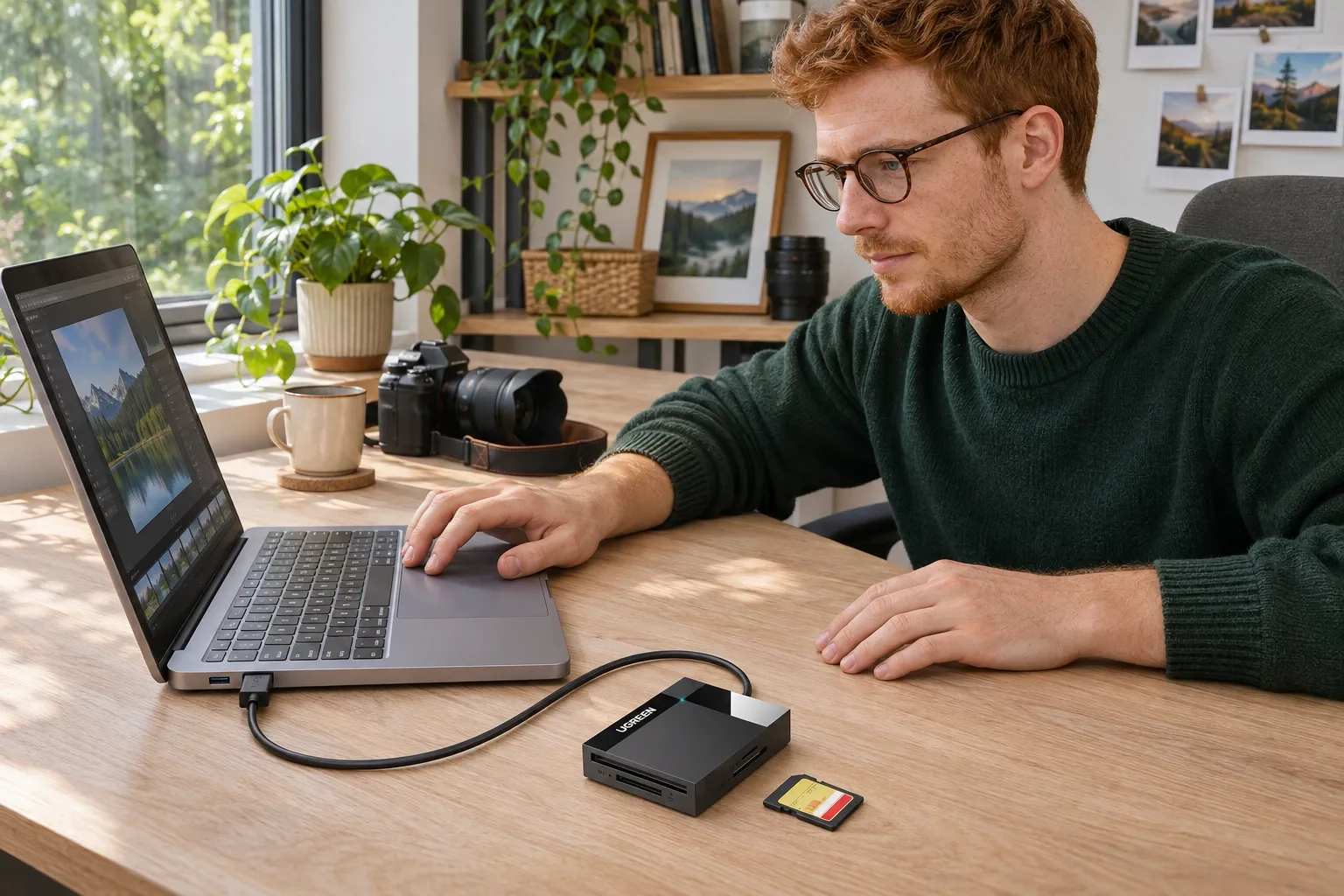
Product analysisUGREEN 30333 Review: A Useful Gift for Old Camera Cards—If the Formats Match
Four memory-card formats meet a fixed USB-A cable; legacy-card coverage matters more than the headline USB speed.

Home & Kitchen
Product analysisOXO Corn Prep Peeler Review: A Small Gift for Corn Lovers—If They Start With the Cob
A compact corn-specific Y-peeler for cooks who regularly remove kernels, with grip, blade care and seasonal usefulness worth considering.