Is the Real Techniques Sponge Too Broad Around the Eyes?
Buying Guide Notes · First published:
Updated
Compiled from public sources · Written using published specs and user feedback.
As an Amazon Associate I earn from qualifying purchases.

Pros
- + Flat cut edge presses contour and highlight in place
- + Blended foundation close to the Beautyblender in Allure's comparison
- + Latex-free sponge for damp liquid and cream application
Cons
- - Allure's reviewer found the wider tip clumsy near her eyes
- - Flat base rolled less seamlessly in Allure's comparison
- - Needs regular washing and eventual replacement
Sources and verification status
Verification status: compiled from public sources
Data updated:
Quick Verdict
Choose the flat edge for pressing product; the wider tip sacrifices some eye-area precision. Its three-sided shape puts a rounded side, a flat cut edge and a pointed end on one sponge. Allure's side-by-side comparison found blending results close to the Beautyblender's. The trade-off shows up around the eyes, where the larger tip is harder to steer.
Real Techniques Miracle Complexion Sponge vs Beautyblender Original
Real Techniques Miracle Complexion Sponge, ASIN B00EUBPHR6, is $5.47; Beautyblender Original Pink, ASIN B07VBNQ367, is $20.00. For eye-corner work, the Beautyblender's $14.53 premium buys a smaller, edgeless shape. Both editors in Allure's 2016 comparison saw similar foundation blending, but preferred the Beautyblender's narrower point near their eyes.
Shape decides the rest. The Real Techniques flat side presses contour and highlight in place, and it keeps the sponge from rolling off a counter. The all-round Beautyblender rolls across skin more easily but has no flat face. If you want one tool for foundation and contour pressing, the flat edge is the practical reason to choose the cheaper sponge.
What Stands Out
The flat cut edge is the reason to choose this shape. Allure's writer found it useful for pressing contour and highlight, with foundation blending close to the Beautyblender's. Real Techniques recommends the sponge for liquid and cream formulas, used damp for best results. Amazon also describes it as latex-free.
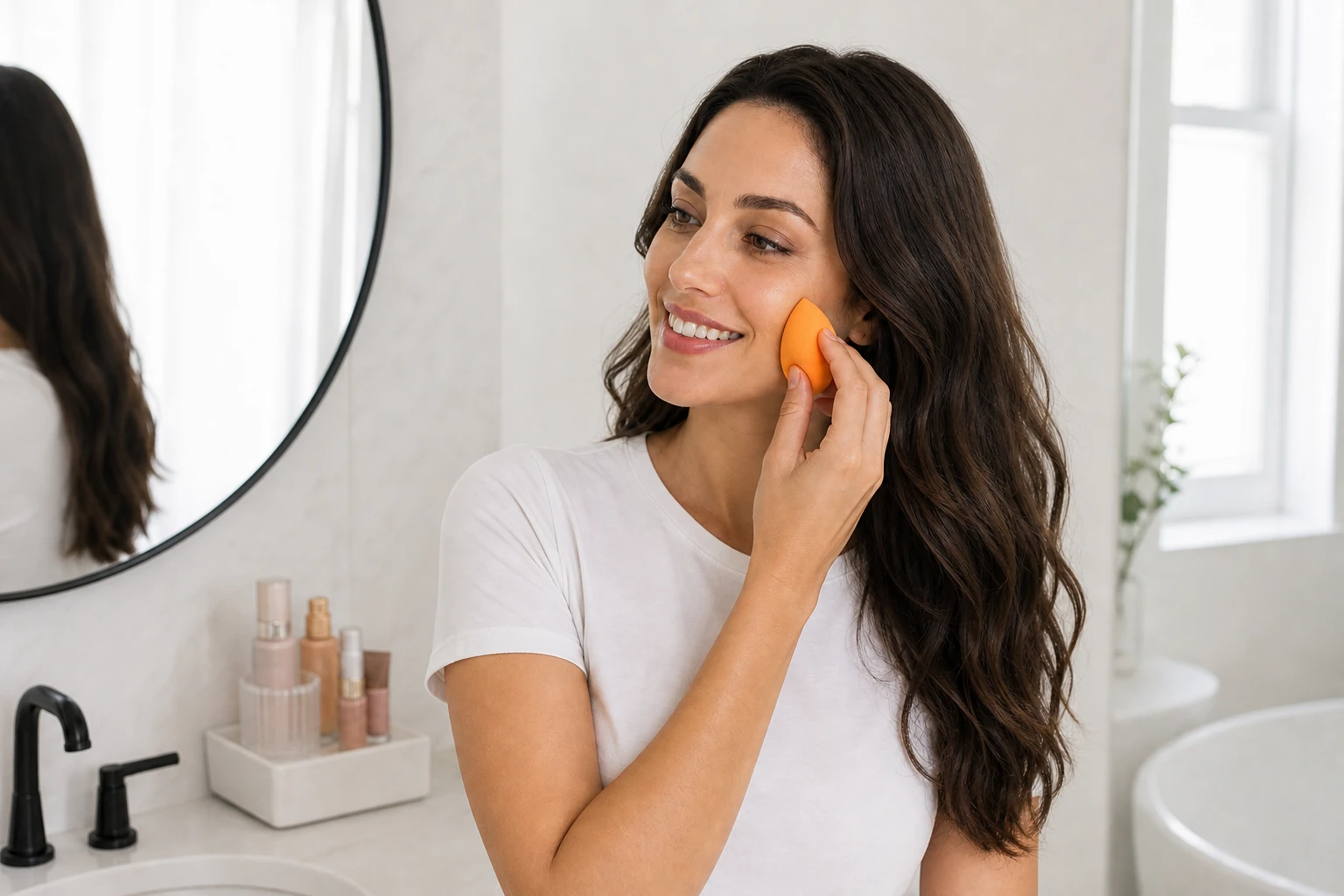
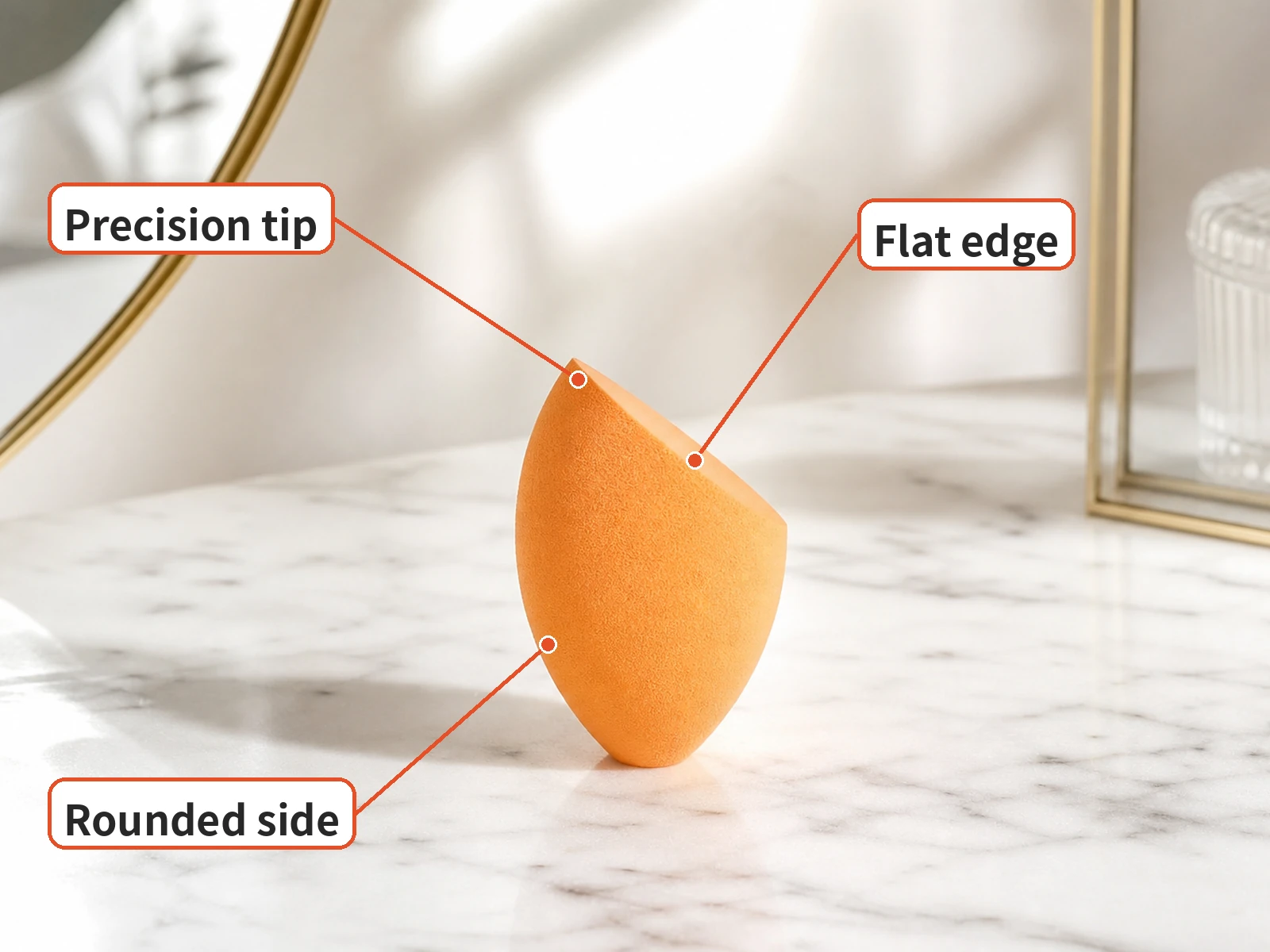
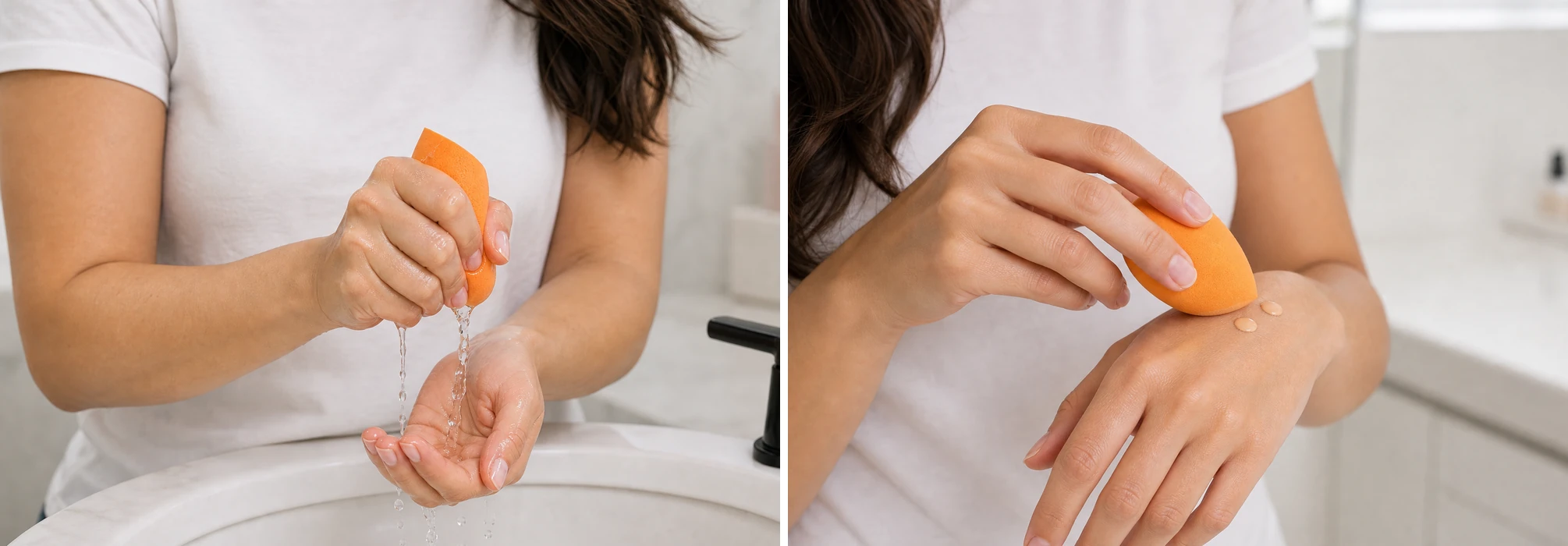
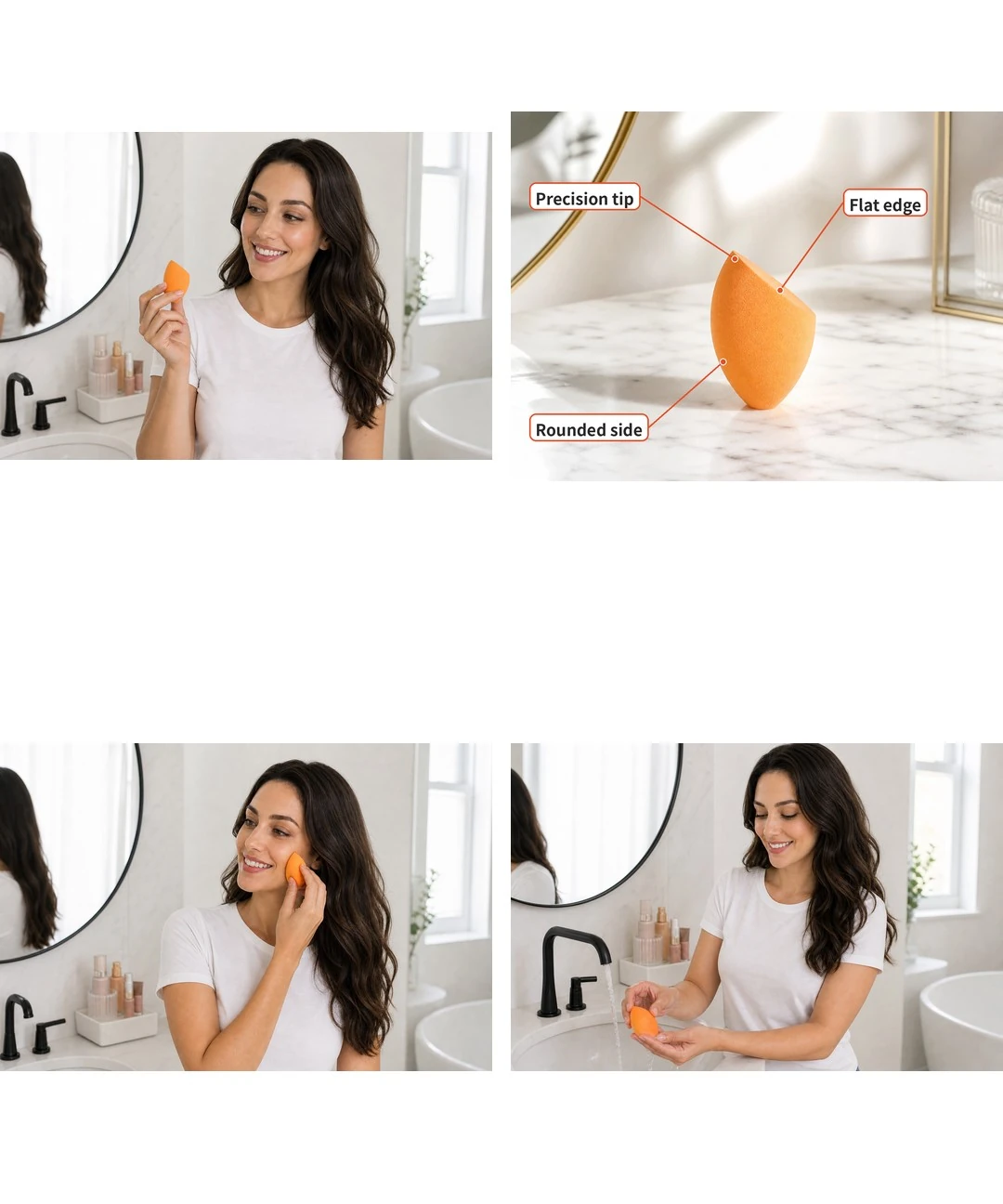
The brand calls the design a three-point shape: flat edge, rounded side and precision tip. In practice, you turn the sponge instead of reaching for a second tool. Allure's second tester skipped wetting it because her package had no instructions, and she felt that hurt her result. Follow the current brand directions: wet it before use, then let it air-dry after cleaning.
Where It Falls Short
The broad tip is the main weakness for tight concealer work, as Allure's reviewer found near her eyes. That review also found the flat base less seamless for rolling across the face. Real Techniques calls for rinsing after each use, weekly deep cleaning and replacement every thirty days.
Who It's For
Building a first makeup kit? The Real Techniques sponge covers foundation blending and contour pressing in one small tool. The flat edge earns its place if you use cream contour or highlight a few times a week. Keep a second sponge on hand so one can dry fully after washing.
Pay for the Beautyblender only when precise concealer work around the eyes is your daily priority. Its slimmer tip reached the inner corners more easily in Allure's comparison. If you rarely use contour or highlight, the flat edge adds little, and the egg shape may suit you better.
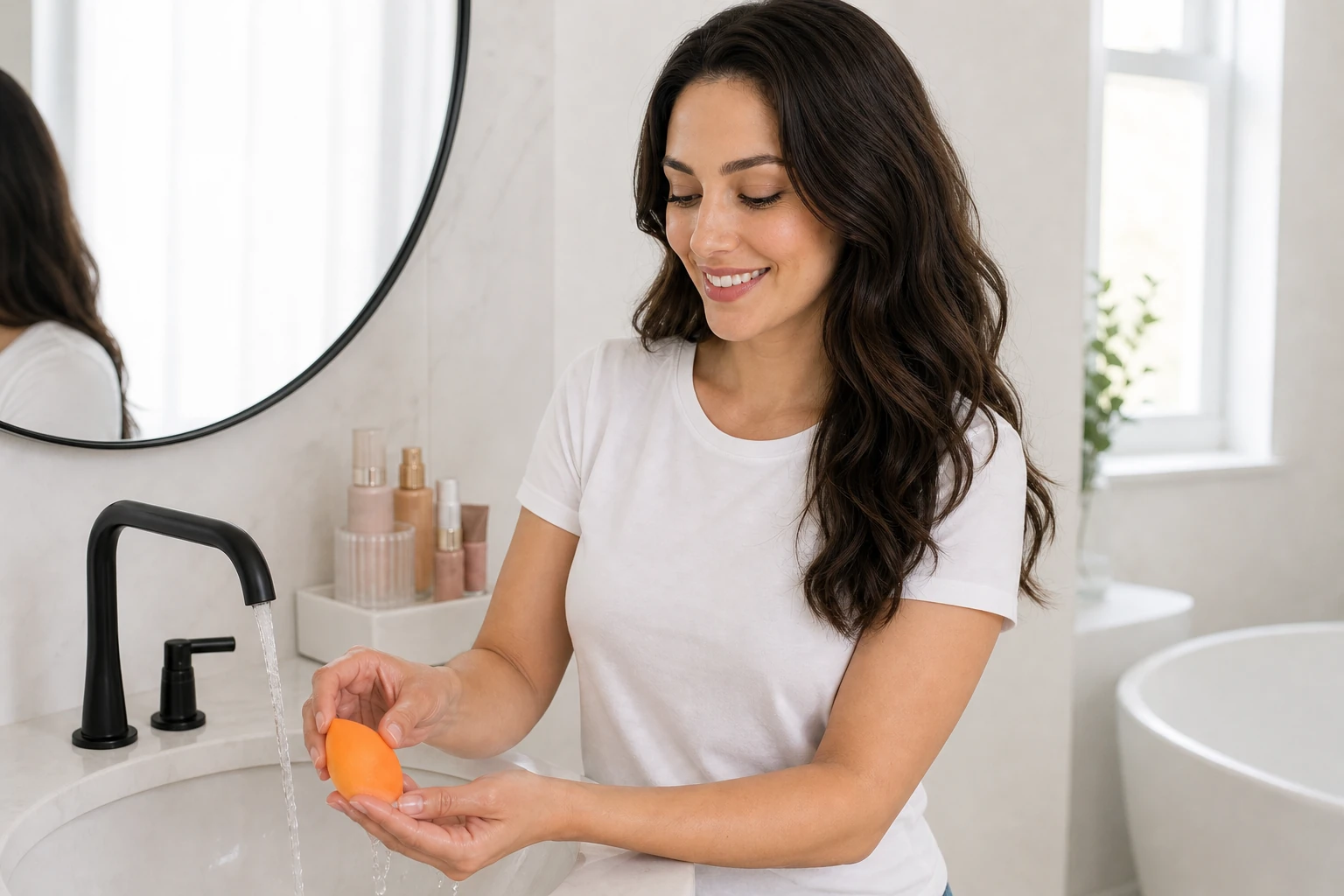
Product illustrations are AI-generated.
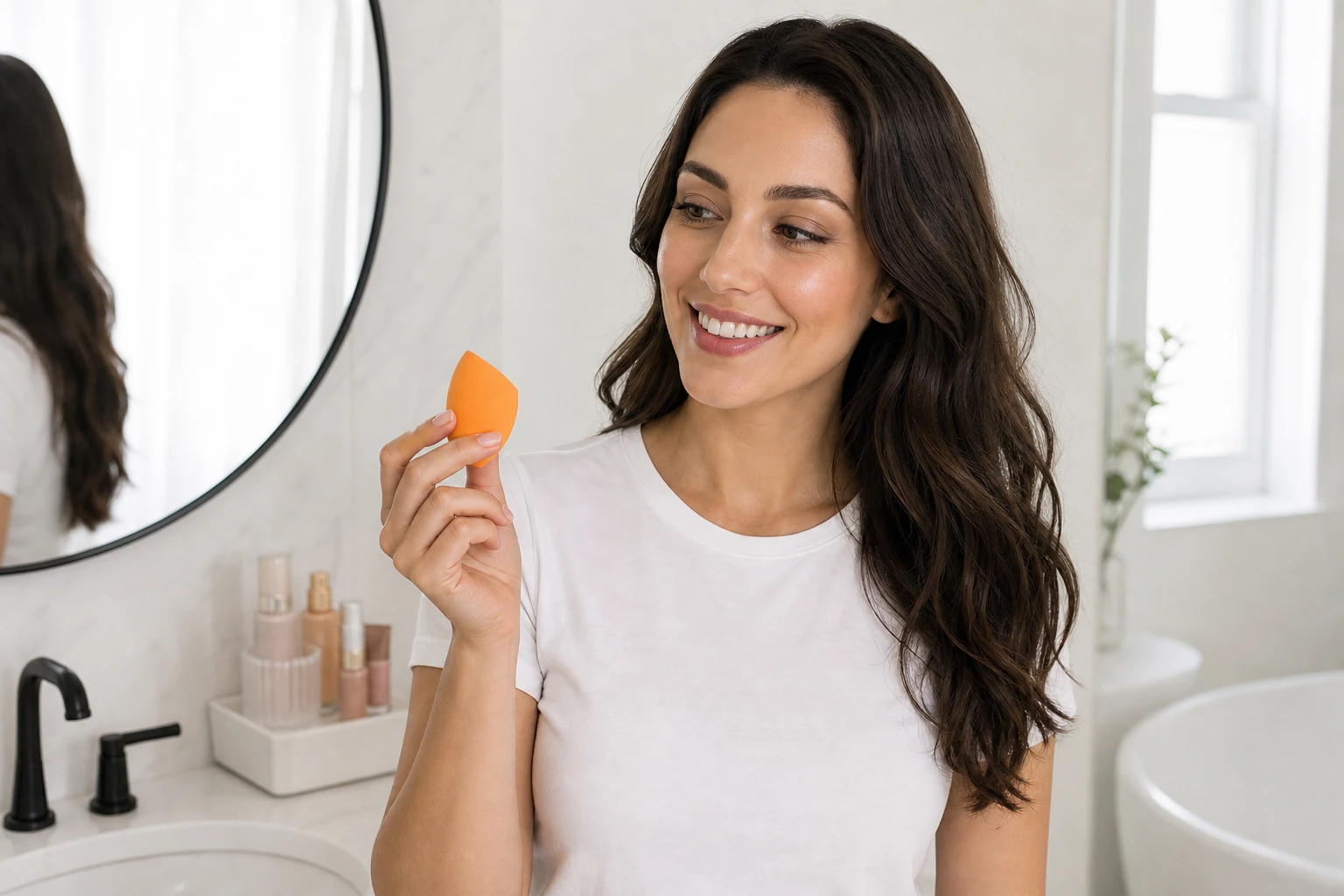
How We Researched This
We researched this guide using public sources; we did not test the product ourselves. Our assessment draws on the product information, buyer feedback, and independent sources linked below.
Sources
FAQ
Should the Miracle Complexion Sponge be used damp?
Yes. Real Techniques directs wetting it before use and describes damp use for a natural, dewy finish. Squeeze out excess water before applying makeup.
What are its three surfaces for?
The flat edge applies and covers, the rounded sides blend, and the pointed tip works on smaller areas. Turn the sponge to use the surface suited to the task.
Which makeup formulas is it intended for?
The brand recommends liquid and cream makeup. Check the directions for the exact sponge rather than assuming every Real Techniques sponge is designed for the same formulas.
How often should it be cleaned?
Real Techniques directs a lukewarm rinse after each use and a weekly deep clean. Let it air-dry thoroughly in a well-ventilated area and store it somewhere cool and dry.
When does the brand recommend replacing it?
The current Real Techniques care instructions say to replace it every 30 days. Cleaning is still required during that period; replacement timing does not remove the need for proper drying.
Price and purchase links
You might also like
Beauty & Personal Care
Product analysisLaneige Lip Sleeping Mask Berry: More Balm, Less Portable
The Berry jar holds twice the balm for $5 more than Lip Glowy Balm. Compare cost per gram and jar-versus-tube convenience.
Beauty & Personal Care
Product analysisNeutrogena Makeup Wipes Come With One Less Rinse Step
Neutrogena costs $0.99 more for 50 wipes than Amazon Basics Night Calming; both ingredient lists include fragrance.
Beauty & Personal Care
Product analysisReal Techniques Everyday Essentials Review: Four Brushes for a Simpler Gift Set
Four brushes and one sponge cover several everyday steps without a huge kit. The useful question is whether the recipient will reach for these particular shapes.