Shower Head Nozzle Cleaning Brush Review: Weak Water Pressure? Can a NT$5 Brush Fix It?
30-second verdict
Fits a few blocked jets and a NT$5 first fix; if the whole home has weak pressure, check pipes and filters first.
Good for
- Anyone with a few dead shower jets
- People who want to unclog before replacing the head
- Anyone willing to soak in vinegar before brushing
Not for
- Homes with weak pressure everywhere
- Heads with a fully blocked inner screen
- Homes with dense metal micro-hole plates
Buying Guide Notes · First published:
Compiled from public sourcesWritten using official specs and user feedback.

Pros
- The thin tip reaches individual jets and pulls out the white scale
- Snap-off brushes on a strip: swap in a new one instead of washing a dirty tip
- About NT$5 lets you try unclogging before replacing the whole head
Cons
- On dense metal micro-hole plates, the tip may only clean the hole surface
- The metal wire can scratch chrome if you scrape hard
- It only clears visible jets; blocked inner screens or low household pressure are out of reach
Specs
| Item | Detail |
|---|---|
| Product | Shower head nozzle cleaning brush |
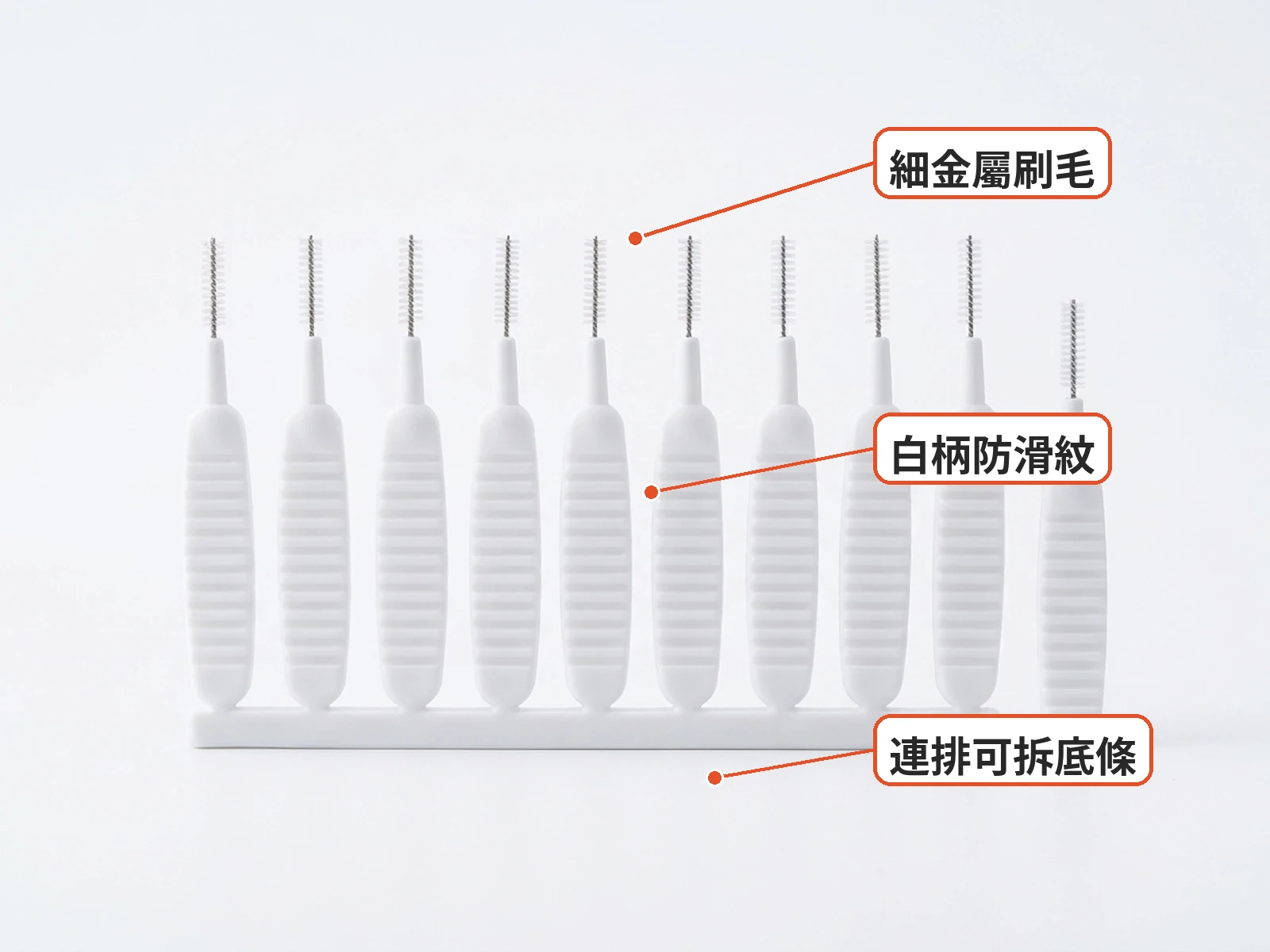
| Look | White handle with fine metal-wire tip; several brushes on a snap-off strip |
| Use | Clearing limescale from shower head jets |
| Common use | Soak in vinegar or citric acid, then twist the tip gently into each jet |
| Price note | About NT$5 |
| Sold note | About 1,000+ sold |
| Public data thin | Tip diameter, exact count per pack, material details |
Sources and verification status
Verification status: compiled from public sources; not hands-on tested
Data updated:
The spray suddenly shoots sideways at the wall, or a few jets stop working at all, and the first thought is to replace the whole head. Most of the time the holes are just blocked by limescale, and a thin enough brush can clear them first. This review covers how the shower head nozzle cleaning brush looks, how to use it, and what users report, so you can decide whether a NT$5 pack is worth trying.
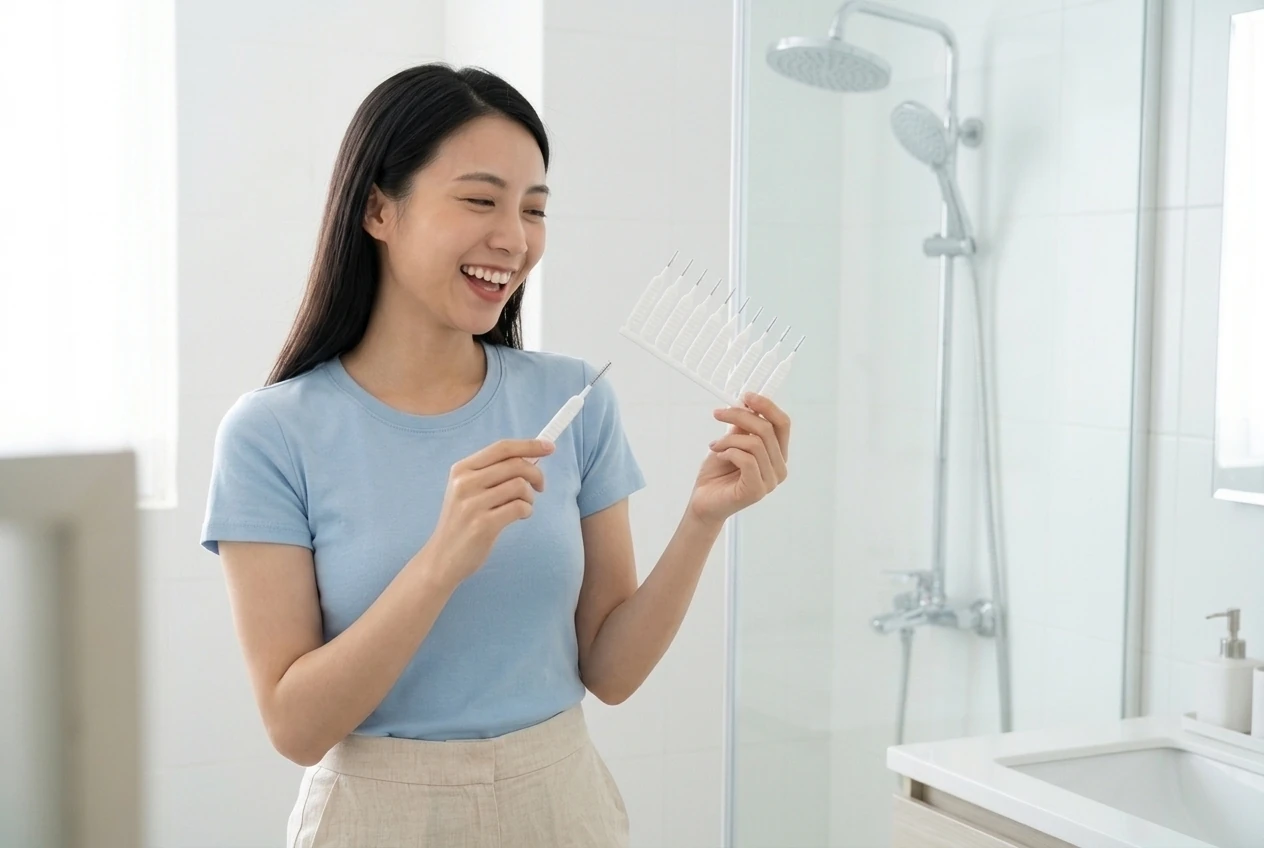
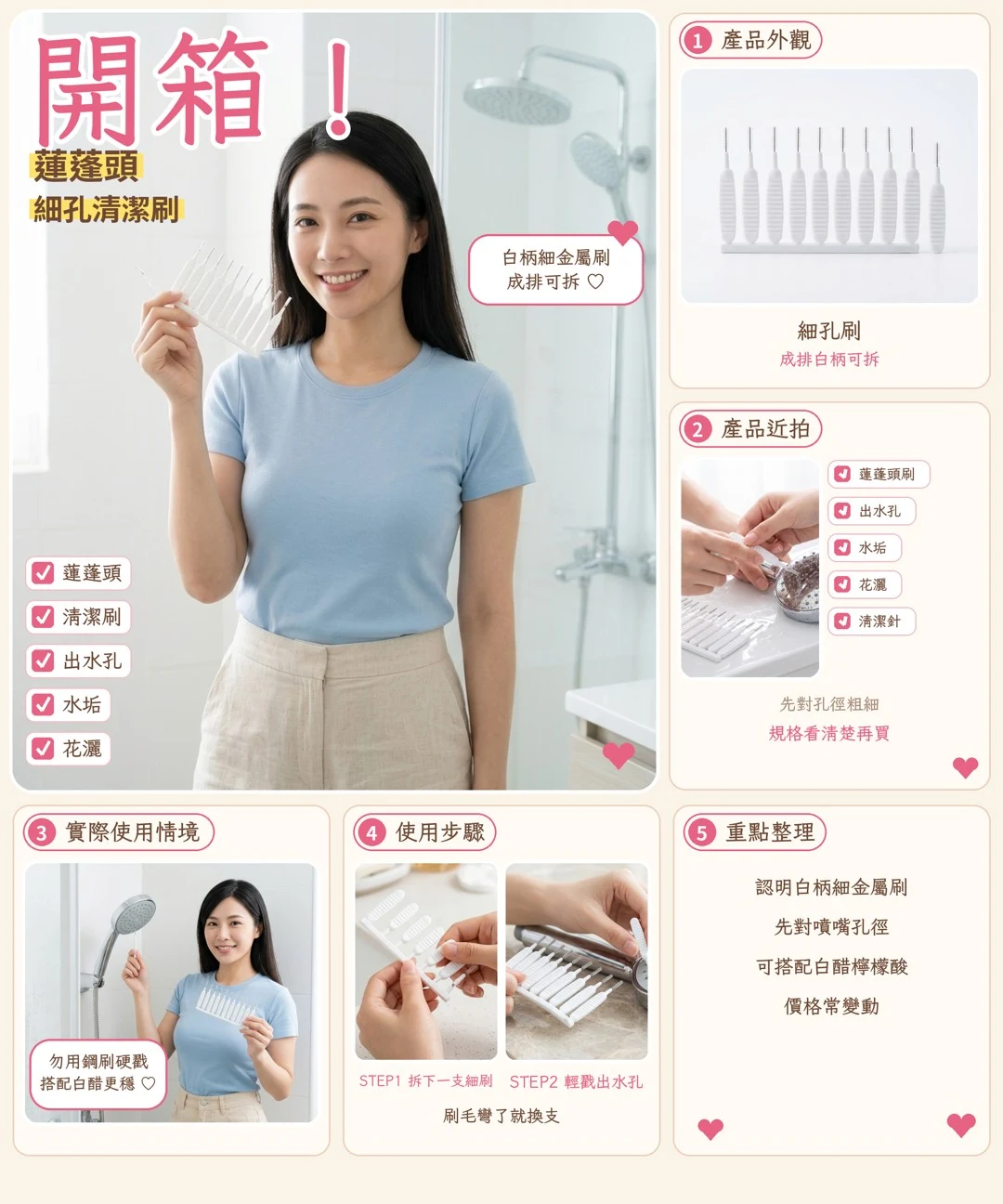
The shower head nozzle cleaning brush has a white plastic handle with a fine metal-wire tip, and several brushes come joined on one plastic strip—snap off one when you need it. The tip is thin enough to aim at each small jet on the shower plate and twist the white scale out.
The strip format means plenty of spares: when a tip is caked with scale or bent, snap off a fresh one instead of washing it. The handle is long enough to pinch comfortably on a handheld head or a rain shower plate.
Price is about NT$5 with roughly 1,000+ sold. If only a few jets are blocked and the overall flow is still normal, this is a cheap first fix; if water pressure is weak across the whole home, the problem is usually the pipes or a filter, and a brush will not help.
How do you clear clogged nozzles with a fine brush?
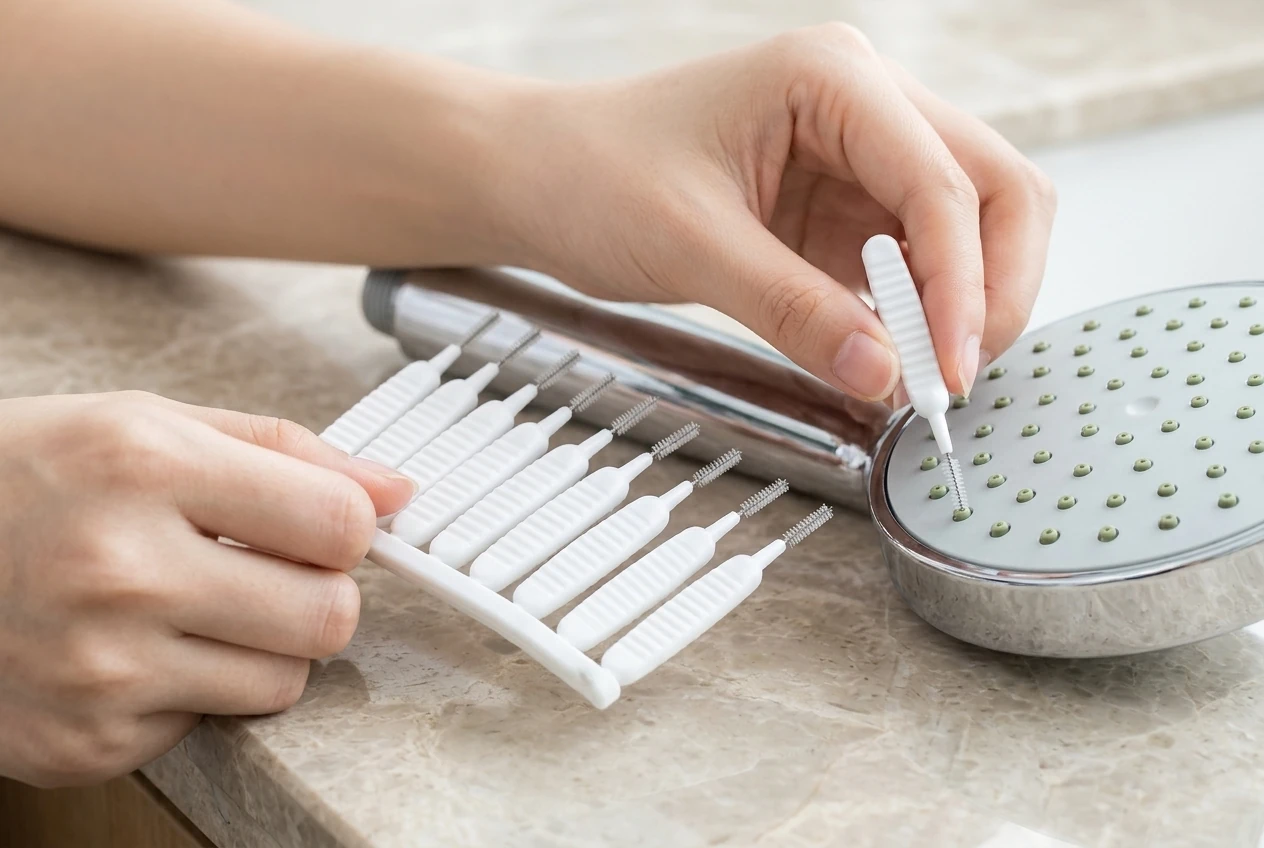
Soak first, then brush: put the shower plate in white vinegar or citric acid solution for 20 minutes or more to loosen the scale, twist the brush gently into each jet, then rinse and run the water to check the spray. The common questions are whether the tip fits the holes and whether it scratches soft rubber nozzles—go light and follow the hole direction, and it is usually fine.
Who it fits: anyone whose soft rubber nozzles keep collecting white scale and who wants a very cheap first fix. Who it skips: homes with low pressure everywhere, or a head whose inner screen is fully blocked. Treat it as a cheap, replaceable unclog tool.
Typical cases are a handheld head spraying at an angle, a rain head with a few dead jets, or a white crust on silicone nozzles. Rub soft nozzles with a finger first and use the brush for what stays. Do not scrape chrome plates hard—scratches catch scale faster.

Practical take: can a NT$5 brush replace a new head?
If only a few jets are blocked, a brush plus a soak is usually enough, and you do not need a new head. For heavy scale, bag the head in citric acid for longer before brushing; replace the head only when the plate is worn or the inner screen keeps clogging. First check whether a few holes are blocked or the whole home has low flow, then decide on the brush.
Not sure it fits? Compare the tip with your nozzle holes first. Most shower plates with soft nozzles have holes wider than the tip; very dense metal micro-hole plates may only get the surface of each hole cleaned.
After brushing, flush the whole head so loosened scale washes out through the jets instead of staying inside. A used brush full of scale can simply be thrown away.
On arrival, check three things: no loose bristles, no cracked handle, and single brushes snap off the strip cleanly. Try one or two holes under a gentle flow before doing the full plate. Missing or bent parts go through Shopee returns—photo first.
The brush only reaches the visible jet openings. A blocked inline screen or a weak water heater is beyond it. If the spray is still crooked after cleaning, unscrew the hose connector and check the small screen there.
If the head will not come off, fill a zip bag with vinegar, secure it over the plate with a rubber band, soak, then brush. Do not leave acid on rubber washers too long, and rinse before running hot water.
Neglect is what ruins a shower head. Cleaning it regularly does more than buying an expensive head you never maintain.
What users say
In a PTT DailyArticle thread about shower head grime, the poster said a toothbrush and scouring pad could not shift the dirt on the spray face. The most common replies were "I just soak it in white vinegar" and "soak in vinegar, then poke it with a needle." Another user added that after poking, you rinse the head under the tap so the debris flows out, because some scale is like tiny pebbles that need a fine needle. One reply simply said to buy a new one since they are cheap at big-box stores—an option when the clog is severe.
Living Life's cleaning tips from Sinyi Home say the same: soak the head in vinegar or citric acid water for about 20 minutes or more, clear the small holes with a toothbrush and toothpick, then rinse. This brush replaces the toothpick or needle step, and its blunter tip is less likely to puncture a soft nozzle.

Similar alternatives
- Rubbing silicone nozzles with a finger: free, good for light surface scale
- Citric acid or vinegar bag soak: loosens thick scale before brushing
- A new shower head: simpler when the plate is worn or keeps clogging inside, at a higher cost
Bottom line: the shower head nozzle cleaning brush suits anyone with a few blocked jets who wants to try a NT$5 fix first. It works best with a vinegar or citric acid soak; if the whole home has weak pressure, look at the pipes and filters instead.
FAQ
Does the brush fit the holes?
Most soft-nozzle shower plates have holes wider than the tip. Dense metal micro-hole plates may only get the surface cleaned, so compare with your nozzles first.
Will it scratch the shower head?
Go light and follow the hole direction on soft nozzles; do not scrape chrome plates hard.
Should I soak it in vinegar first?
Soak in vinegar or citric acid water for 20 minutes or more to loosen scale, brush, then rinse.
What if the flow is still weak after cleaning?
The cause may be the pipes, a connector screen, or household pressure. The brush only clears visible jets, so check the small screen in the hose connector.
Where to buy
Check the details on the seller's page before you buy.
You might also like

Pets
Product analysisPAKEWAY Pet Deshedding Slicker Brush Review: Does NT$89 One-Tap Eject End Hair Picking?
Shedding everywhere? Check whether the PAKEWAY round slicker’s triangle ejector cleans easily.
NT$89

Tech & Gadgets
Product analysisMultipurpose Cleaning Gel Review: Will It Leave Residue in Key Gaps? Is It Safe on Mechanical Switches?
Dust stuck in your key gaps but worried about residue? This bright blue cleaning gel costs NT$5. Learn how to test it and use it on a mechanical keyboard before you stock up.
NT$5