SENHO C700 Motorcycle Dash Cam Review: Can an NT$2359 Helmet Cam Read Plates at Night?
30-second verdict
Fits riders who want compact single-lens evidence and will test clips themselves; skip if you need dual recording or reliable night plate capture.
Good for
- Short-commute riders who want basic evidence
- Helmet-cam beginners around NT$2,000
- Riders who prefer simple start-recording controls
Not for
- Riders who need front-and-rear video
- Frequent night riders who need readable plates
- Anyone who insists on Wi‑Fi live preview
Who Is the SENHO C700 Motorcycle Dash Cam For?
If you mainly want “something recording” without digging through menus, a single-lens simple cam fits better than a feature-heavy dual unit. Mobile01 helmet-cam threads keep circling battery life, whether the mount stays flat, and night plate readability—more than a single number on a banner. Exact C700 long posts are scarce in public TW forums, so treat category notes as background, not a hands-on verdict for this model.
Good fit: short commutes, student or parent scooters, buyers who want basic evidence around NT$2,000. Poor fit: riders who need front-and-rear video, frequent night riding that needs readable plates, or insist on Wi‑Fi live preview—those needs usually push toward dual-lens or higher-tier helmet cams.
Day-to-day use stays plain: lock the angle, confirm the record light, then charge after the ride. Many riders keep a fast card and export key clips on a schedule; loop recording is handy, yet a bad card or skipped format can still erase the moment you need. If afternoon storms are common on your route, read how the charge-port flap and weather wording are described first.

Buying Guide Notes · First published:
Compiled from public sourcesWritten using official specs and user feedback.

Pros
- Silver-black cylinder stays discreet on a helmet side versus long dual bars
- Dual buttons + LED keep “hit record and go” simple
- About NT$2359 with 7,000+ sold keeps the entry cost low
Cons
- Same-model long posts are scarce; picture, weather, and runtime lack instrument checks
- Single lens cannot record front and rear at once
- Mount and card bundles vary by seller—you still need your own test clips
Specs
| Item | Detail |
|---|---|
| Product | SENHO C700 motorcycle / helmet dash cam |
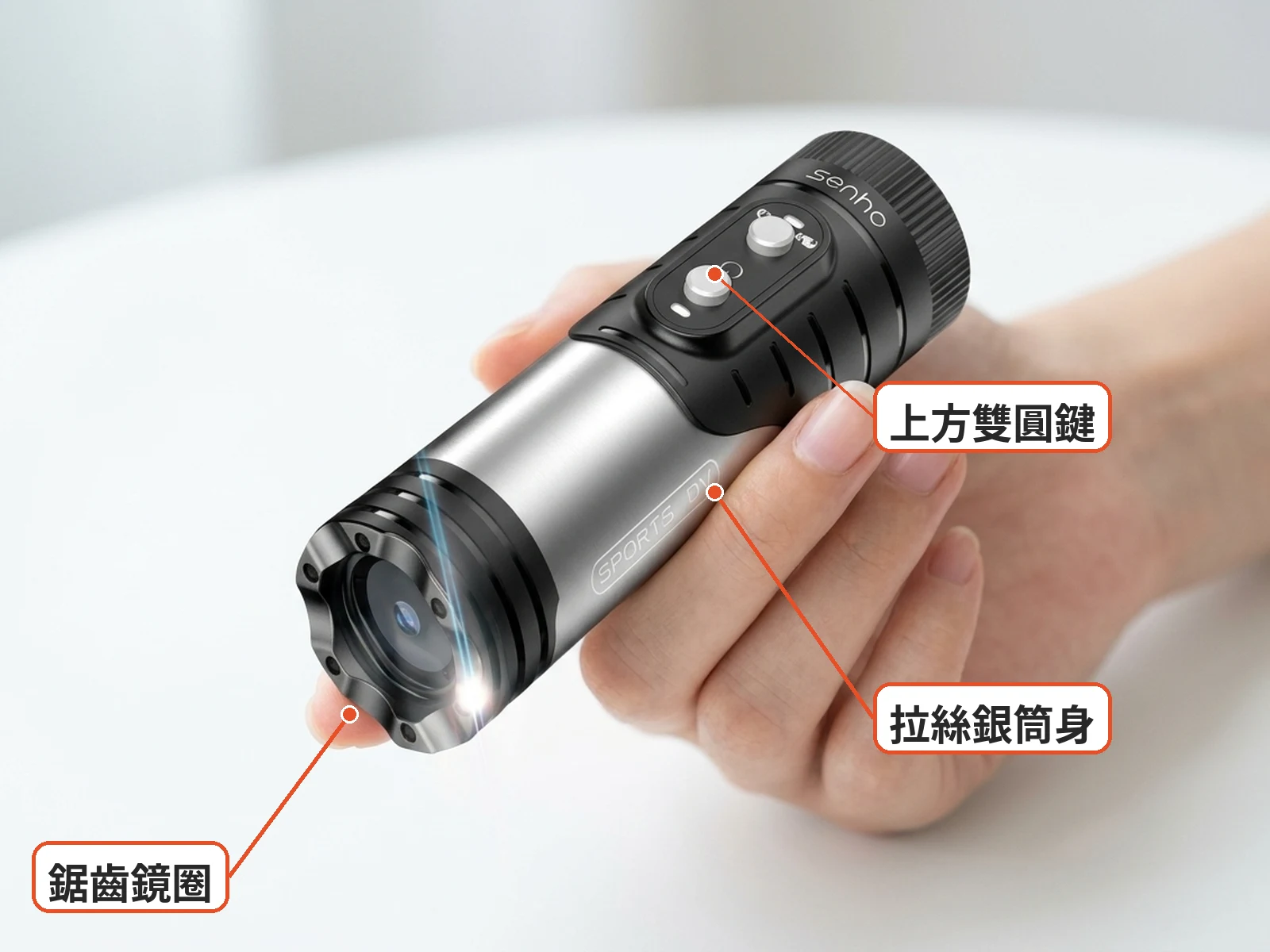
| Look | Brushed-silver mid body with matte-black end caps; black crenelated bezel; dual top buttons + LED; SPORTS DV mark |
| Common labels | 4K / compact sports-DV style (marketing labels; public long tests are scarce) |
| Common claims | Single-lens helmet or bar mount; loop recording; match card and weather wording in the option text |
| Common use | Short-commute self-protection clips; remove and charge after rides |
| Price note | About NT$2359 (promo prices change) |
| Sold note | About 7,000+ sold |
| Public data thin | Actual resolution and FPS, waterproof rating, battery runtime, max card size, night plate readability, Wi‑Fi/App as standard |

Sources and verification status
Verification status: compiled from public sources; not hands-on tested
Data updated:
When something happens on a scooter ride, the first worry is having no video. Riders often ask whether a tiny bullet cam on the helmet side can read plates by day and survive rain. The SENHO C700 motorcycle dash cam is that compact cylindrical sports-DV style unit; promo art often shouts 4K and small size. Public long tests of resolution, waterproof rating, and runtime are thin, so match the option list before you buy.
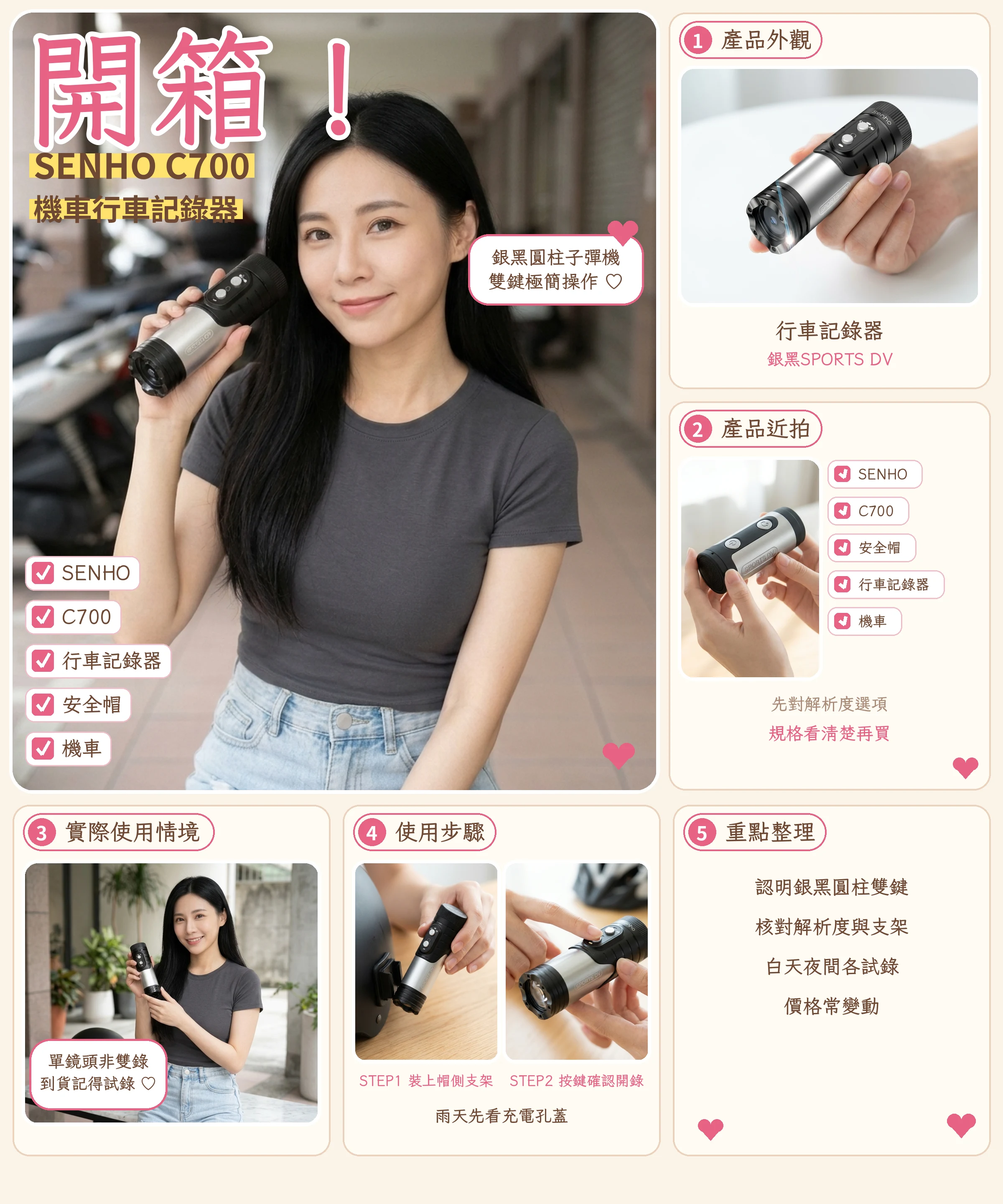
The look is simple: a brushed-silver mid body, matte-black textured end caps, a wide lens in a black crenelated bezel, and two silver top buttons (power icon forward, loop icon aft) with a small LED between them. An oval SPORTS DV mark often sits on the silver barrel. It reads smaller than a long dual-lens helmet bar when clipped on a helmet side or bar mount.
Practical Take: The Promo Says 4K—What Should You Recheck?
Art often stacks 4K, waterproof, and long runtime claims, yet seller write-ups disagree; some roundups even frame similar entry units as 1080P. Open the option list, confirm resolution, whether a card is included, how the mount attaches, and warranty wording. After delivery, record a day clip and a night clip and check plates plus timestamps yourself.
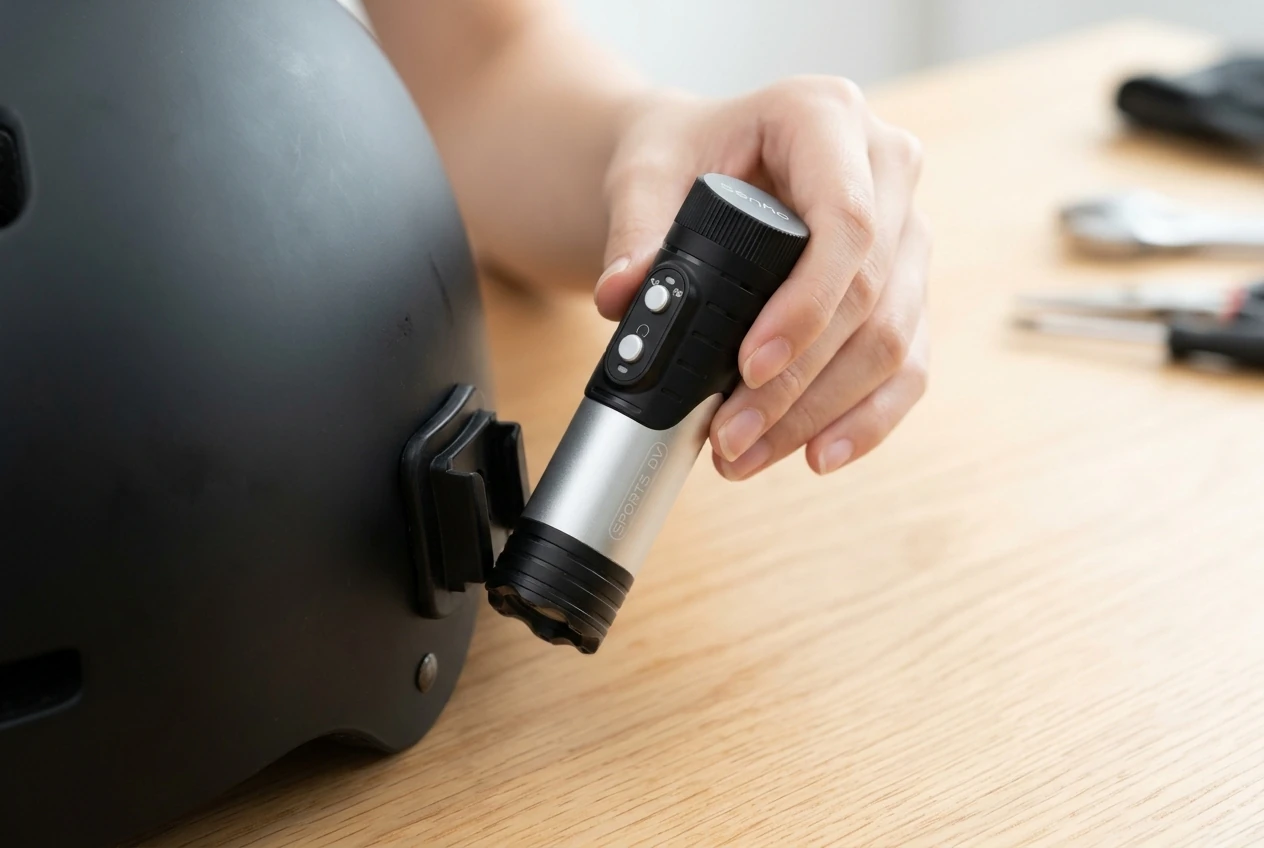
Mount with removable adhesive or clamps—do not screw into the shell. Mobile01 discussions often cite inspection-bureau guidance that fixed protrusions can hurt helmet protection, while non-fixed mounts are closer to the rule's intent. Recheck lens aim and looseness before each ride, especially on open-face lids where the visor hinge might bump the body.
Street price is about NT$2359, with about 7,000+ sold. In the same band you can also compare MUFU, PHILO, or Mio helmet cams; C700’s pitch is size and simple controls, not the top of every spec sheet. For mountain runs or long delivery shifts, runtime and whether charging weakens the seal matter more than banner resolution.
On arrival: confirm the silver-black cylinder, undamaged buttons/LED, complete mount kit, and that loop recording starts. Card speed and capacity follow the current option text; format the card before the first commute.
One last note: a dash cam is a self-protection tool, not a license to ride harder. A clean lens, correct clock, and firm mount beat arguing over marketing numbers. If a single lens later feels incomplete, stepping up to dual recording still beats buying the wrong type first.
What users say
Mobile01: helmet dash-cam models users have owned keeps returning to runtime, flat mounts, and aging lens coatings. The same board’s PHILO M2D open-box stresses simple dual buttons, Type‑C, and rubber port flaps. Dcard’s scooter dash-cam shopping thread weighs helmet vs hardwired installs and theft risk when parking. These are category threads, not C700 long tests—public TW posts for this exact model stay thin.

Similar alternatives
- MUFU dual-lens helmet series: more talk about runtime and quick-release, usually bulkier than a single bullet cam
- PHILO / Mio helmet cams: more night and app notes, often priced higher
- Hardwired front/rear bike cams: auto-record with ignition, no daily charge, but install and parking risk matter
Bottom line: the SENHO C700 motorcycle dash cam fits riders who want a compact single-lens recorder with simple controls. Recheck resolution and weather claims in the option list, and test day/night clips yourself.
FAQ
Is it really 4K?
Promo art often says 4K, yet public long tests are thin and write-ups disagree; match the option list and check day/night clips yourself.
Can I screw it into the helmet?
Not recommended. Forum notes often cite inspection guidance that fixed protrusions can hurt protection; use removable adhesive or clamps.
Is it OK for long delivery shifts?
Long shifts lean on runtime and whether charging weakens the seal; heavy daily hours may also compare dual-lens or hardwired cams.
How do I choose versus a hardwired dual cam?
Pick a helmet bullet cam for simple remove-and-go side views; pick hardwired dual cams for ignition auto-record with different install and parking risk.
Where to buy
NT$2359 | See the lowest price →
Check the details on the seller's page before you buy.
You might also like

Appliances
Product analysisElectric Shock Mosquito Lamp Review: Will an NT$79 UV Zapper's Crackle Wake You at Night?
Tired of chasing mosquitoes? Match the white-top grey-cage UV zapper noise and hang height first.
NT$79

Sports & Outdoors
Product analysisXiangfengge Camping Frog Light Review: Hung on Guy Lines to Prevent Trips, Is a NT$13 Light Bright Enough at Night?
Cheap guy-line frog lights clip on easily—some praise anti-trip help, others want more brightness, so treat them as helpers.
NT$13
Tech & Gadgets
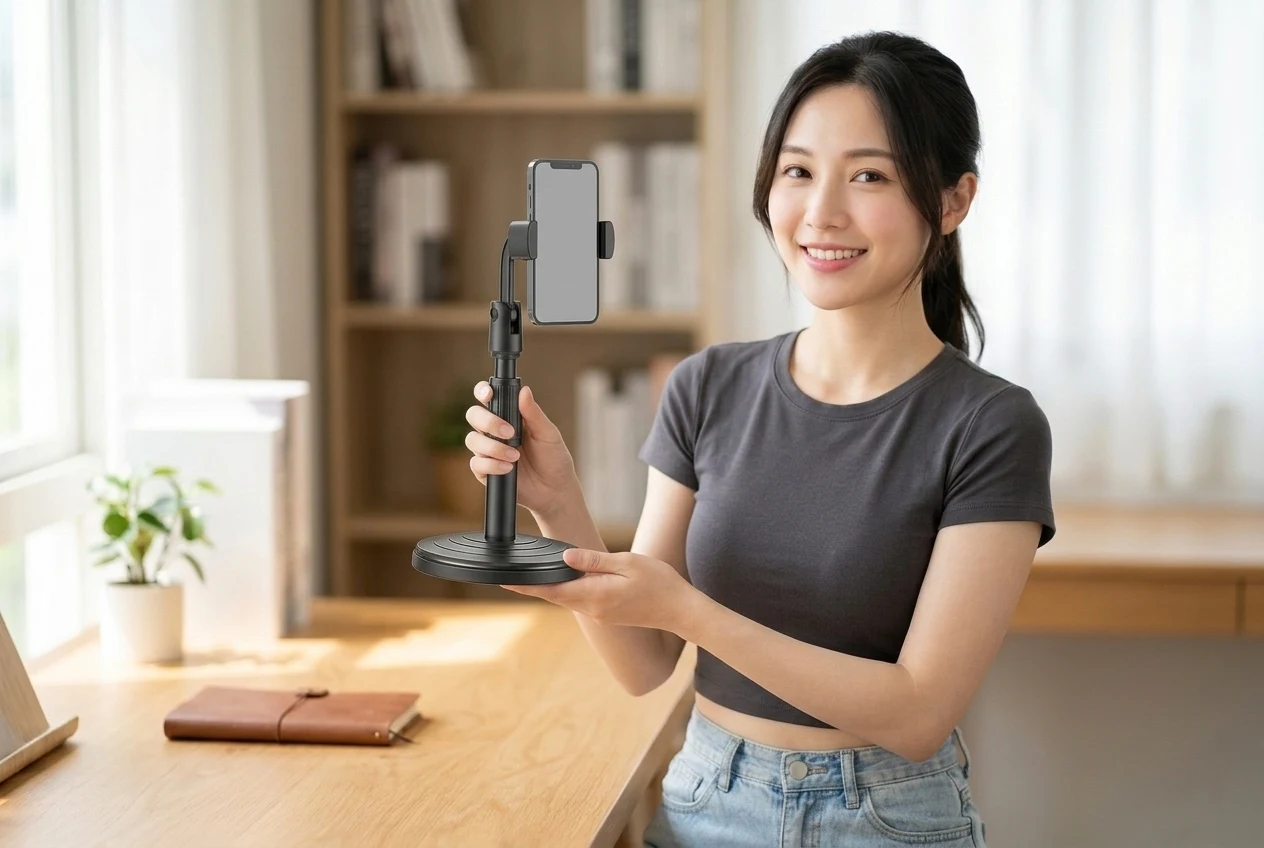
Product analysisDesktop Lift Phone Stand Review: Does an NT$36 Telescopic Stand Stay Steady at Full Height?
Tired of a nodding phone stand? Match the black round-base lift pole and side clamp first.
NT$36

Appliances
Product analysisVoice-Control Night Light Review: Does This Moon USB Gooseneck Lamp Really Light Up When You Call Out at Night?
A USB moon gooseneck night light sells voice dimming—great for midnight bathroom runs, but fuzzy speech may need patience.
NT$99